



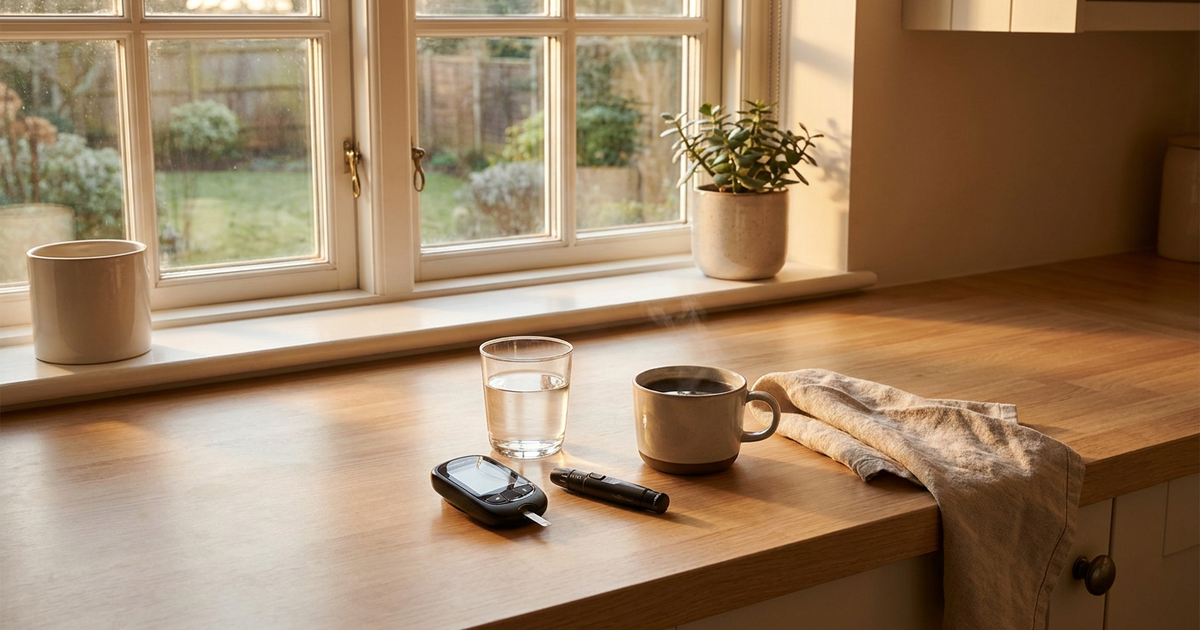
For most adults with type 2 diabetes, a healthy morning (fasting) blood sugar is about 80 to 130 mg/dL, the pre-meal target range set by the American Diabetes Association (ADA). A reading in that band before breakfast usually means your overnight glucose is well managed. In people without diabetes, a normal fasting glucose is below 100 mg/dL, but your own goal should be personalized with your clinician, because targets are looser for some older adults and tighter during pregnancy.


What counts as a “normal” morning number
Your morning reading is a fasting blood sugar — the level measured after roughly eight hours without food, which is why testing right after you wake up is so useful. Two different yardsticks matter here, and it helps to know which one applies to you.
The first yardstick is the range used to diagnose diabetes. According to the National Institute of Diabetes and Digestive and Kidney Diseases (NIDDK), a fasting glucose below 100 mg/dL is normal, 100 to 125 mg/dL signals prediabetes, and 126 mg/dL or higher on two tests indicates diabetes. Those cutoffs describe the general population, not a daily target for someone already living with type 2 diabetes.
The second yardstick is the daily management target. Once you have type 2 diabetes, the ADA’s Standards of Care recommend a pre-meal (including morning) goal of 80 to 130 mg/dL for most non-pregnant adults, a peak after-meal reading under 180 mg/dL, and an A1C generally below 7%. The morning target is deliberately a little higher than the “normal-for-everyone” number to leave a safety margin and reduce the risk of low blood sugar from medications like insulin.
Why mornings can run high in type 2 diabetes
Many people are surprised that their highest reading of the day is the one before they have eaten anything. There are two common, well-documented reasons.
The dawn phenomenon. In the early hours — roughly 4 a.m. to 8 a.m. — your body releases a surge of counter-regulatory hormones, including growth hormone, cortisol, glucagon, and epinephrine, to prepare you to wake up. These hormones nudge the liver to release stored glucose and make cells more resistant to insulin. In people without diabetes the pancreas quietly releases extra insulin to balance this out; in type 2 diabetes that compensation is blunted, so blood sugar drifts up overnight. As NCBI’s StatPearls reference notes, the dawn phenomenon is a normal physiological event that simply becomes visible when insulin can’t keep pace.
The Somogyi effect. Less commonly, an overnight low blood sugar can trigger a rebound high by morning, again driven by those same stress hormones. Because the dawn phenomenon and the Somogyi effect are managed differently, an occasional 3 a.m. check — or a stretch of wearing a continuous glucose monitor — can help you and your clinician tell them apart.
How your morning number connects to your A1C
A single fasting reading is a snapshot; your A1C is the movie. The A1C test reflects your average blood glucose over the previous two to three months, which is why clinicians use it to judge overall control. Per NIDDK, an A1C below 5.7% is normal, 5.7% to 6.4% is prediabetes, and 6.5% or higher indicates diabetes; for people already managing type 2 diabetes, the ADA’s common goal is below 7%, individualized to your situation.
Morning readings feed directly into that average. Fasting glucose makes up a meaningful share of your daily exposure to high sugar, so a stubborn morning high can quietly pull your A1C upward even when your after-meal numbers look fine. That is exactly why the pre-breakfast check is worth doing consistently — improving it is one of the more reachable ways to move your long-term number in the right direction. It also explains why two people with similar daytime readings can have different A1C results if one of them runs high every morning.
When a morning reading is worth a call to your clinician
A single high number is rarely an emergency, but patterns matter. If your fasting readings sit consistently above your agreed target, or you regularly see numbers above 180 mg/dL, that is worth reviewing with your care team — it may mean an evening medication dose or a bedtime snack needs adjusting. On the other end, frequent morning readings below 70 mg/dL signal hypoglycemia and should also prompt a conversation, because that can be dangerous. Keeping a simple log, or reviewing your meter’s history, turns scattered numbers into a trend your clinician can act on. Our guide on how type 2 diabetes should be monitored walks through how often to test and what to record.
Practical ways to improve your morning number
You cannot switch off the dawn phenomenon, but several habits reliably soften it. None of these replace your prescribed treatment — think of them as additions to discuss with your clinician.
- Rethink the bedtime snack. A large, carb-heavy snack late at night gives the liver more fuel to release overnight. If you snack, a small protein- or fiber-based option is usually gentler.
- Move after dinner. A 10- to 20-minute walk in the evening improves insulin sensitivity and can lower the next morning’s reading. See our tips on how to lower blood sugar naturally.
- Prioritize sleep. Short or broken sleep raises cortisol, which pushes glucose up. Consistent sleep and screening for sleep apnea can both help.
- Review medication timing. Only your prescriber can do this, but the timing or dose of evening medication is one of the most effective levers for a stubborn fasting number.
- Stay hydrated. Mild dehydration concentrates blood glucose, so a glass of water on waking is a simple habit.
For the bigger picture on tracking your numbers over time, our complete blood sugar monitoring guide ties morning testing into a full routine, and our overview of what a normal blood sugar level is covers readings throughout the rest of the day.
Frequently asked questions
What is a normal morning blood sugar for a type 2 diabetic?
For most non-pregnant adults with type 2 diabetes, the ADA sets a pre-meal (fasting/morning) target of 80 to 130 mg/dL. Some older adults or people with other health conditions are given a higher, more relaxed target to avoid lows, so confirm your personal goal with your clinician.
When is the best time of day to check blood sugar?
First thing in the morning before eating is one of the most informative times, because it reflects your overnight, unfed glucose. Many people also check before meals and about two hours after eating to see how food affects them. Your clinician will tailor the schedule to your treatment.
What is a high morning blood sugar level in type 2 diabetes?
Readings persistently above your agreed target — and especially above 180 mg/dL — are considered high and worth reviewing. A one-off elevated number after a poor night’s sleep or a late meal is less concerning than a repeating pattern.
Last updated July 20, 2026. Sources: American Diabetes Association (ADA) Standards of Care in Diabetes glycemic goals; National Institute of Diabetes and Digestive and Kidney Diseases (NIDDK A1C test and diabetes tests & diagnosis); ADA A1C information; and the NCBI StatPearls review of the dawn phenomenon. Dawn-phenomenon timing and hormone detail also draw on Mayo Clinic patient education.
Medical disclaimer: This article is for education only and is not medical advice. Blood sugar targets are individual — talk to your own clinician before changing how you eat, exercise, or take medication.

