



Last updated June 29, 2026 · Medically informed, educational content.
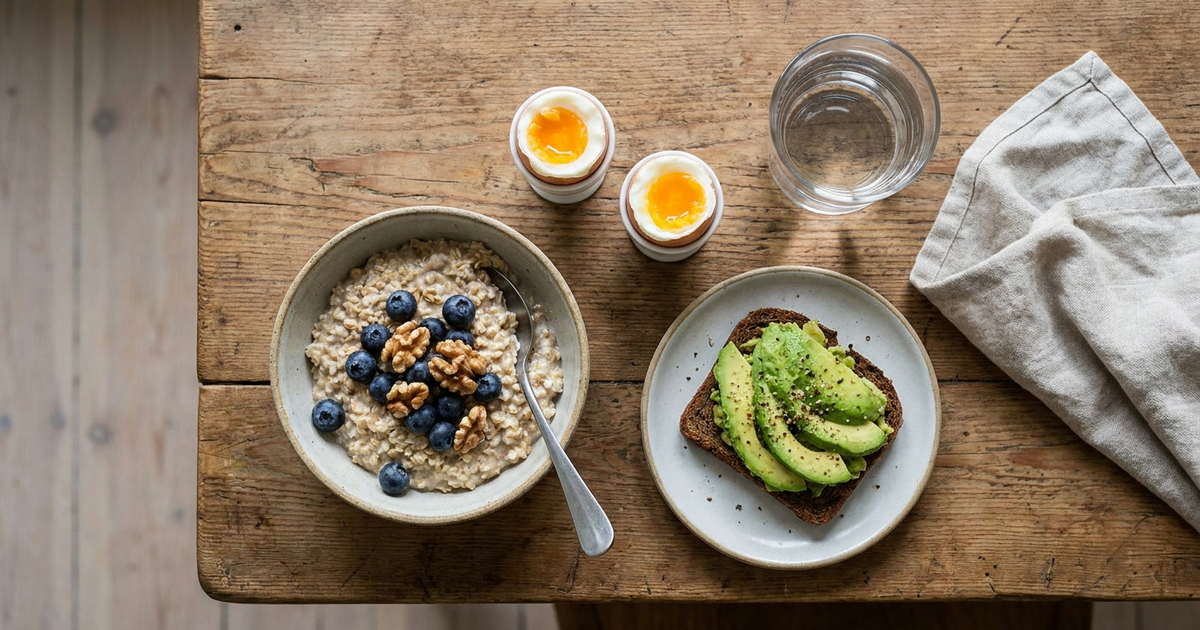
A good breakfast for type 2 diabetes pairs protein and fiber with healthy fats and limits refined, fast-digesting carbohydrates. Think eggs with vegetables and whole-grain toast, plain Greek yogurt with berries and nuts, or steel-cut oats topped with seeds — meals that blunt the morning blood-sugar spike instead of feeding it. The single most important habit is to anchor the plate with a protein source, add fiber-rich plants or whole grains, and skip the sugary cereal, pastries, and large glasses of juice that send glucose climbing fast.


Why breakfast matters more when you have type 2 diabetes
Many people with type 2 diabetes notice that their blood sugar is hardest to manage in the morning. Hormones that rise overnight can leave glucose elevated before you have eaten anything — a pattern sometimes called the “dawn phenomenon.” What you choose for that first meal can either calm those numbers down or push them higher for hours. A breakfast built mostly from refined carbohydrates, such as sweetened cereal, white toast with jam, a muffin, or fruit juice, is digested quickly and tends to produce a sharp rise in blood glucose. A breakfast built around protein, fiber, and healthy fat is digested more slowly, which generally leads to a gentler, steadier rise.
The American Diabetes Association emphasizes that there is no single “diabetes diet,” but that meals balancing nonstarchy vegetables, lean protein, and quality carbohydrates help most people keep blood sugar in range (American Diabetes Association — Food & Nutrition). Breakfast is simply the first chance each day to put that balance into practice.
The simple formula for a diabetes-friendly breakfast
You do not need a complicated meal plan. A reliable morning plate follows three rules:
1. Lead with protein. Eggs, plain Greek yogurt, cottage cheese, tofu, or a modest serving of lean meat slow digestion and help you feel full. Protein has little direct effect on blood glucose and helps temper the impact of the carbohydrates eaten alongside it.
2. Choose high-fiber carbohydrates — and watch the portion. Fiber slows how quickly carbohydrates raise blood sugar. Whole, minimally processed options such as steel-cut or rolled oats, whole-grain bread, beans, and whole fruit are far gentler than refined grains and sugar. The U.S. Centers for Disease Control and Prevention notes that carbohydrates raise blood sugar more than other nutrients, so being mindful of how much and what kind you eat is central to meal planning (CDC — Diabetes Meal Planning).
3. Add healthy fat and nonstarchy vegetables. Avocado, nuts, seeds, and olive oil add staying power, while spinach, peppers, tomatoes, and mushrooms add fiber and volume with very little impact on glucose. Understanding how different carbohydrate foods affect you is easier once you learn the glycemic index, explained for people with diabetes.
Easy breakfast ideas that fit the formula
These everyday meals each combine protein, fiber, and healthy fat:
Veggie scramble with whole-grain toast. Two eggs scrambled with spinach, tomato, and peppers, served with one slice of whole-grain toast and a few slices of avocado. Protein and fat from the eggs and avocado pair with fiber from the vegetables and whole grain.
Greek yogurt parfait. Plain, unsweetened Greek yogurt topped with a handful of berries, a tablespoon of chopped walnuts, and a sprinkle of chia or ground flaxseed. The yogurt brings protein; the berries, nuts, and seeds bring fiber and fat. Skip flavored yogurts, which can carry a surprising amount of added sugar.
Savory oats. Steel-cut or rolled oats cooked in water or unsweetened milk, then topped with an egg and sauteed greens instead of sugar. For a sweeter version, keep the portion modest and add cinnamon, berries, and nuts rather than honey or brown sugar.
Cottage cheese bowl. Cottage cheese with sliced cucumber and tomato, or with a small amount of fruit and seeds. It is high in protein and very flexible. If you want more morning protein ideas, see our guide to heart-healthy proteins for managing type 2 diabetes.
For more full meals built on these principles, our collection of beginner-friendly type 2 diabetes recipes includes several breakfasts you can rotate through the week.
Breakfasts to limit or rethink
Some classic breakfasts are built almost entirely from fast-digesting carbohydrates and can drive blood sugar up quickly:
Sugary cereals and granola, pastries, doughnuts, and muffins; white bagels and white toast with jam; pancakes or waffles with syrup; large glasses of fruit juice or sweetened coffee drinks; and flavored, sweetened yogurts. You do not necessarily have to give these up forever, but they work best as occasional choices in small portions, ideally paired with protein and fiber to soften their effect. If you are exploring lower-carbohydrate mornings, our overview of a low-carb diet for type 2 diabetes explains the trade-offs.
What about coffee, fruit, and timing?
Black coffee or coffee with a splash of unsweetened milk has little effect on blood sugar for most people; the problem is usually the sugar, syrup, and large amounts of cream added to it. Whole fruit is fine in reasonable portions — the fiber in an apple, berries, or a small orange slows sugar absorption far more than juice does. As for timing, some people manage blood sugar well by eating breakfast within a couple of hours of waking, while others do better with a later first meal; what matters most is the composition of the plate and how your own glucose responds. Checking your levels before and about two hours after breakfast is the most reliable way to learn what works for your body.
Frequently asked questions
What is the best breakfast food for a type 2 diabetic?
There is no single best food, but eggs are a popular anchor because they are high in protein, contain no carbohydrate, and pair easily with vegetables and a small portion of whole grain. Plain Greek yogurt, cottage cheese, oats, and avocado are other strong building blocks. The best breakfast is one that combines protein, fiber, and healthy fat and that you can eat consistently.
Is oatmeal good for people with type 2 diabetes?
Oatmeal can be a good choice when you use less-processed oats (steel-cut or rolled rather than instant flavored packets), keep the portion moderate, and add protein and fat such as nuts, seeds, or an egg. Avoid adding sugar, honey, or syrup. Because oats are still a carbohydrate, portion size and what you pair them with both matter.
Should I skip breakfast to lower my blood sugar?
Not necessarily. Some people do well with a later first meal, but skipping breakfast can lead to overeating later or to large blood-sugar swings for others. Rather than skipping, most people benefit from a smaller, protein-forward breakfast. Talk with your clinician or a registered dietitian before making big changes to your eating schedule, especially if you take medications that can lower blood sugar.
The bottom line
A good breakfast for type 2 diabetes is simple: protein first, fiber-rich whole-food carbohydrates in sensible portions, a little healthy fat, and minimal added sugar. Build the plate that way most mornings and you give yourself the steadiest possible start to the day. For the full picture of how breakfast fits into your overall eating pattern, see our complete type 2 diabetes diet guide, and for general healthy-eating principles, the National Institute of Diabetes and Digestive and Kidney Diseases offers an excellent overview.
This article is for education and is not medical advice. Talk to your clinician or a registered dietitian before making changes to your diet or diabetes management plan.

