




Short answer: there is no countdown clock that starts on diagnosis day. For many people with type 2 diabetes, damage to the smallest blood vessels and nerves has already begun quietly before the diagnosis — classic research estimates the disease is often present four to seven years before it is found, and in one large screening study about one in five people already had early retinal changes at their very first eye check. After diagnosis, how fast additional damage builds depends far less on the calendar and far more on your cumulative exposure to high blood sugar, high blood pressure, and high cholesterol over the years that follow.
That is genuinely good news, because those are the things you and your care team can act on. Below is what the evidence actually says about timing, which organs are affected first, and the screening schedule that catches problems while they are still reversible or slowable.
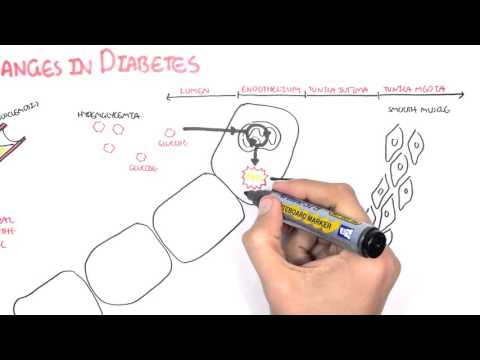


Damage often starts before you know you have diabetes
Type 2 diabetes develops gradually. Blood sugar can sit above the normal range for years without producing symptoms obvious enough to send someone to a lab. A landmark 1992 analysis by Harris and colleagues worked backward from the rate at which diabetic retinopathy appears and estimated that the onset of type 2 diabetes occurs at least four to seven years before clinical diagnosis. Because retinopathy itself takes time to become detectable, the authors noted that the true duration of elevated blood sugar could be longer still.
Real-world screening data supports the same picture. In a national analysis of more than 51,000 people newly diagnosed with type 2 diabetes in Scotland, 19.3% had some degree of retinopathy at their first retinal screening, with a much smaller share having changes serious enough to need referral. In other words, a meaningful minority of people arrive at diagnosis already carrying early evidence of vessel damage.
This is exactly why guidelines do not wait. The American Diabetes Association’s Standards of Care direct clinicians to arrange a dilated, comprehensive eye examination at the time of a type 2 diabetes diagnosis, along with kidney testing, rather than starting the clock several years later. If you are newly diagnosed, our guide to type 2 diabetes complications walks through what each of those baseline tests is looking for.
Why “how long?” is the wrong question
Complications are driven by cumulative glucose exposure, not by elapsed time alone. Two people diagnosed on the same day can end up in very different places a decade later depending on the average blood sugar they carried in between.
The UK Prospective Diabetes Study quantified this relationship better than any other trial. In its observational analysis (UKPDS 35), each 1 percentage point reduction in updated mean HbA1c was associated with a 37% lower rate of microvascular complications — the eye, kidney, and nerve problems — plus a 21% lower rate of any diabetes-related endpoint and a 14% lower rate of heart attack. There was no threshold below which the benefit disappeared: lower average glucose consistently tracked with less damage.
Put plainly, “how long until damage” is really “how much high blood sugar, for how long.” Duration matters, but it is duration multiplied by severity.
A realistic timeline, organ by organ
These are patterns, not promises. Individual timing varies widely, and none of it substitutes for your own test results.
Small blood vessels and nerves (microvascular)
Eyes. Retinopathy generally needs years of elevated glucose to appear, which is why a portion of people already have it at diagnosis and why most do not develop vision-threatening changes early on. It is also usually silent in its early stages — the reason annual dilated exams exist. See our diabetic retinopathy guide for what the stages look like.
Kidneys. Early kidney involvement shows up as small amounts of albumin in the urine long before any symptom. The ADA recommends measuring urine albumin-to-creatinine ratio and estimated GFR starting at diagnosis and repeating yearly. Our overview of type 2 diabetes and kidney health explains how those two numbers fit together.
Nerves. The NIDDK explains that high blood glucose and high blood fats can damage nerves directly and damage the small vessels that supply nerves with oxygen, and that the chance of nerve damage rises with age and with how long a person has had diabetes. Some people notice numbness or burning in the feet early; others have measurable nerve changes with no symptoms at all. Our list of telltale signs of diabetic neuropathy covers what to watch for.
Large blood vessels (macrovascular)
Cardiovascular risk does not wait for a formal diagnosis either. The NIDDK notes that high blood glucose can damage blood vessels and the nerves that control the heart, and over time that damage can lead to heart disease. Because the same insulin resistance that raises blood sugar also tends to raise blood pressure and triglycerides, arterial damage often accumulates alongside — and in parallel with — the microvascular kind. That is why heart and vessel disease, rather than any single dramatic event, is usually described as the most serious complication of type 2 diabetes, and why our post on diabetes and heart disease treats blood pressure and cholesterol as core diabetes care rather than side issues.
What speeds the clock up — and what slows it down
The American Diabetes Association and NIDDK point to a consistent set of factors. Things that tend to accelerate damage:
- Higher average blood glucose sustained over years (reflected in your A1C trend, not one reading)
- Uncontrolled high blood pressure
- High LDL cholesterol and triglycerides
- Smoking
- Longer duration of diabetes, including the undiagnosed years
- Untreated kidney disease, which then accelerates cardiovascular risk in turn
Things that consistently slow it:
- Getting A1C into your individualized target and keeping it there
- Treating blood pressure and lipids to target, not just glucose
- Regular physical activity and, where relevant, modest weight loss
- Stopping smoking
- Actually attending the annual screening appointments, so problems are found while they are small
Early control pays off for decades
One of the most encouraging findings in diabetes research is that the benefit of good control early on persists long after the period of tight control ends. In the ten-year post-trial follow-up of the UKPDS, the group originally assigned to intensive glucose control retained a 24% relative reduction in microvascular disease and a 9% reduction in any diabetes-related endpoint — even though the difference in blood sugar between groups had disappeared years earlier. Researchers call this the “legacy effect.”
The practical takeaway: the years right after diagnosis are unusually valuable. Effort spent on glucose, blood pressure, and lipids now appears to keep paying dividends well into the future.
The screening schedule that catches damage early
Because early damage is silent, screening — not symptoms — is what protects you. Based on the ADA Standards of Care, a typical schedule for an adult with type 2 diabetes looks like this:
- Dilated eye exam: at diagnosis, then at intervals your eye doctor sets (often annually, sometimes every one to two years if findings are normal and glucose is well controlled)
- Urine albumin-to-creatinine ratio and eGFR: at diagnosis, then at least yearly
- Neuropathy assessment: at diagnosis, then at least yearly
- Comprehensive foot examination: at least yearly, more often with risk factors such as prior ulcer or reduced sensation
- Blood pressure: every visit
- Lipid panel and A1C: on the schedule your clinician sets, commonly A1C two to four times a year
If you have never had the baseline set, that is the single highest-value conversation to have at your next appointment.
Symptoms worth raising promptly
Screening catches most damage before symptoms. When symptoms do appear, they deserve attention rather than a wait-and-see approach:
- Blurred vision, new floaters, dark spots, or any sudden vision change
- Numbness, tingling, burning, or loss of sensation in the feet or hands
- A foot sore, blister, or cut that is not healing
- Swelling in the ankles or around the eyes, or foamy urine
- Chest discomfort, unusual shortness of breath, or unexplained fatigue on exertion
Sudden vision loss and chest pain are urgent — those are same-day calls, not next-appointment items.
Frequently asked questions
How quickly can type 2 diabetes progress?
Progression varies enormously. Some people maintain stable A1C for many years with lifestyle measures and one medication; others need treatment intensified within a couple of years as beta-cell function declines. Rate of progression is tracked with your A1C trend over time, which is why repeat testing matters more than any single result.
How long can you have high blood sugar before damage begins?
There is no clean cutoff. The Harris analysis suggests years of elevated glucose typically precede diagnosis, and screening studies find early retinal changes in a minority of people at the point of diagnosis. Practically, this means damage risk should be assumed to have already started at diagnosis — hence baseline testing on day one.
Can damage that has already happened be reversed?
It depends on the tissue and the stage. Early kidney changes such as modest albuminuria can improve substantially with better glucose and blood pressure control and appropriate medication. Some neuropathy symptoms improve; established nerve damage often does not fully reverse. Advanced retinopathy is treatable to preserve vision but structural damage is not undone. The consistent pattern: earlier intervention preserves more function, which is the argument for screening rather than waiting.
If my A1C is in target, am I safe from complications?
Being in target dramatically lowers risk but does not eliminate it, and glucose is only one of the levers. Blood pressure, cholesterol, smoking status, kidney function, and duration of diabetes all contribute independently. That is why guideline-based care addresses all of them rather than glucose alone.
The bottom line
Type 2 diabetes does not cause damage on a fixed schedule. In most cases the process begins during the undiagnosed years, continues at a pace set by cumulative glucose, blood pressure, and lipid exposure, and stays invisible until screening finds it. The lever you control is not time — it is how much elevated blood sugar accumulates from here forward, and whether the annual checks happen. Both of those respond to action starting today.
Last updated August 3, 2026.
Medical disclaimer: this article is general education, not medical advice — talk with your own clinician about your A1C targets, screening schedule, and treatment plan.

