Introduction
Understanding A1C levels is crucial for managing diabetes and maintaining overall health, particularly as we age. The A1C test measures the average blood sugar levels over the past two to three months, providing an essential snapshot of a person’s glycemic control. However, the interpretation of what constitutes a normal A1C level can vary significantly across different age groups. This article will delve into the specifics of A1C levels by age, exploring normal ranges, physiological changes, and individual health considerations.
What A1C Measures
Definition of A1C
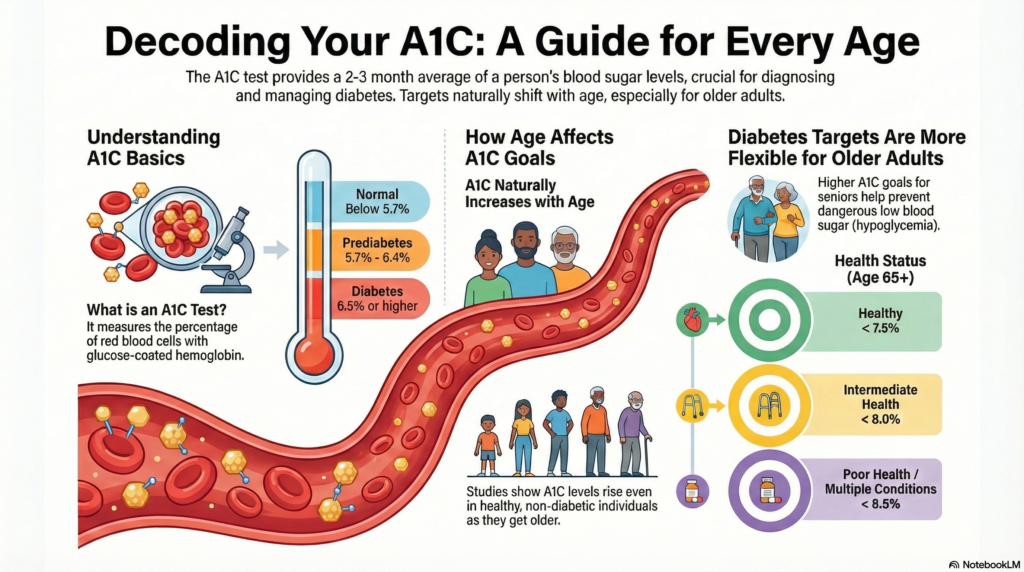
The A1C test, also known as glycated hemoglobin or HbA1c, is a blood test that indicates the percentage of hemoglobin coated with sugar. Hemoglobin is a protein found in red blood cells that carries oxygen throughout the body. The higher the blood sugar levels, the more hemoglobin will be glycated, leading to a higher A1C percentage. This test is critical for diagnosing and monitoring diabetes, as it offers a longer-term view of blood sugar control compared to daily glucose monitoring.
Importance of Monitoring A1C Levels
Regularly monitoring A1C levels is vital, particularly for individuals with diabetes. It helps in assessing the effectiveness of treatment plans, adjusting medications, and making necessary lifestyle changes. For the general population, knowledge of A1C levels can aid in early detection of prediabetes and diabetes, thereby facilitating timely interventions and reducing the risk of complications.
How A1C Reflects Blood Sugar Control
A1C levels provide a reliable indication of blood sugar averages over time. For instance, an A1C level of 6% roughly correlates with an average blood glucose level of 126 mg/dL. Understanding this relationship helps healthcare providers and patients set realistic blood sugar targets and manage their diabetes effectively. Importantly, as individuals age, factors influencing these averages can change, making it necessary to adjust A1C targets accordingly.
Normal A1C Ranges by Age Group
A1C Levels in Children
For children, particularly those with diabetes, the target A1C levels are generally less stringent than in adults. A common recommendation is to maintain an A1C below 7.5%, balancing the need for good glycemic control with the avoidance of hypoglycemia. This is particularly important in children, as overly strict glucose control can lead to adverse effects on growth and development.

A1C Levels in Adults
In adults, the normal A1C range is typically between 4% and 5.6%. An A1C level between 5.7% and 6.4% indicates prediabetes, while a level of 6.5% or higher is diagnostic for diabetes. Adults are encouraged to target an A1C below 7% to reduce the risk of diabetes-related complications effectively. However, individual target levels may vary based on health status, duration of diabetes, and other health conditions.
A1C Levels in Older Adults
For older adults, particularly those aged 65 and above, the recommended A1C target may be less stringent, often suggested to be between 7.5% and 8%. This adjustment recognizes that the risks associated with tight glycemic control, such as hypoglycemia, may outweigh the benefits in this population. Comprehensive geriatric assessments can help tailor these targets to individual patient needs.
A1C Chart by Age
Visual Representation of A1C Levels by Age
| Age Group | Normal A1C Range | Prediabetes Range | Diabetes Diagnosis |
|---|---|---|---|
| Children (under 18) | Below 7.5% | 7.5% – 8.5% | 6.5% or higher |
| Adults (18-64) | 4% – 5.6% | 5.7% – 6.4% | 6.5% or higher |
| Older Adults (65+) | 7.5% – 8% | 8% – 9% | 6.5% or higher |
Comparison of A1C Ranges Across Different Age Groups
The differences in A1C ranges highlight the need for tailored management strategies across the lifespan. Children may require more flexibility due to their growth and development, while older adults often face unique challenges that necessitate a more lenient approach to glycemic targets. Understanding these age-related differences is paramount for healthcare providers when establishing management plans.
Why Targets Change with Age
Physiological Changes Affecting A1C
As individuals age, their bodies undergo various physiological changes that can influence glucose metabolism. Insulin sensitivity tends to decrease with age, making it more challenging to maintain optimal blood sugar levels. Additionally, changes in body composition, such as increased fat and decreased muscle mass, can affect how the body processes glucose and insulin. These changes necessitate a reevaluation of A1C targets, as older adults may have different needs compared to younger individuals.
Impact of Lifestyle Factors
Lifestyle factors also play a crucial role in A1C levels as one ages. Diet, physical activity, and stress levels can profoundly affect blood sugar control. Older adults may face challenges that limit their physical activity, such as mobility issues or chronic pain. Similarly, dietary habits may change due to factors like loss of appetite or difficulty in preparing healthy meals. These lifestyle changes can directly influence A1C levels, warranting adjustments in treatment plans and goals.
Chronic Conditions and A1C Targets
Many older adults contend with multiple chronic conditions, such as hypertension, cardiovascular disease, and arthritis. These comorbidities can complicate diabetes management, as certain medications may interact with diabetes treatments or exacerbate blood sugar fluctuations. Consequently, healthcare providers often consider these factors when establishing individualized A1C targets, focusing on the overall health of the patient rather than solely on glycemic control.
When Age-Based Ranges May Not Apply
Individual Health Factors
While age-based A1C targets provide a useful guideline, it’s essential to recognize that individual health factors can significantly influence these recommendations. Patients with a history of severe hypoglycemia, those with a limited life expectancy, or individuals with cognitive impairments may require higher A1C targets to prioritize quality of life and reduce risks associated with tight glucose control.
Unique Medical Conditions
Specific medical conditions can also necessitate deviations from standard A1C targets. For example, individuals with anemia or certain hemoglobinopathies may have altered A1C levels that do not accurately reflect their glycemic control. It’s crucial for healthcare providers to consider these unique conditions when evaluating A1C results and adjusting treatment plans accordingly.
Genetic Considerations
Genetic factors can contribute to variations in blood sugar control and A1C levels. Certain genetic predispositions may affect how individuals metabolize glucose or respond to insulin. In such cases, personalized approaches to A1C targets are vital, taking into account the patient’s unique genetic makeup and its implications for diabetes management.
Talking to a Doctor About Personal A1C Goals
Preparing for Your Appointment
When discussing A1C goals with a healthcare provider, preparation is key. Patients should come equipped with information about their medical history, current medications, and any recent changes in lifestyle or health status. Keeping a log of daily blood sugar readings, dietary habits, and physical activity can also provide valuable insights that help the doctor tailor recommendations for A1C targets.
Questions to Discuss with Your Healthcare Provider
Engaging in a thorough conversation with a healthcare provider about A1C goals is crucial. Important questions to ask include: What A1C target is appropriate for my age and health status? How often should I monitor my blood sugar? and What changes can I make to reach my A1C goal? These discussions can foster a collaborative approach to diabetes management, ensuring that patients feel empowered in their care.
Setting Realistic A1C Targets
Setting realistic A1C targets is essential for effective diabetes management. While striving for optimal glycemic control is important, it is equally important to consider the individual’s overall health, lifestyle, and potential risks associated with tight control. By working together with healthcare providers, patients can establish achievable goals that contribute to their long-term health and well-being.
Conclusion
Understanding A1C levels by age is more than just numbers; it’s about managing health effectively as we navigate different life stages. Knowledge of normal ranges, the factors influencing these levels, and the importance of individualized care can empower individuals to take charge of their diabetes management. Through open discussions with healthcare providers, personalized A1C goals can be set, fostering better health outcomes and a higher quality of life.
Frequently Asked Questions (FAQs)
What is a normal A1C level for a healthy adult?
A normal A1C level for a healthy adult typically falls between 4% and 5.6%. Levels between 5.7% and 6.4% indicate prediabetes, while an A1C of 6.5% or higher is diagnosed as diabetes.
Why do A1C targets change with age?
A1C targets change with age due to physiological changes, lifestyle factors, and the presence of chronic conditions that affect blood sugar control. Older adults may have higher A1C targets to reduce the risk of complications associated with low blood sugar levels.
How often should I have my A1C levels checked?
For individuals with diabetes, the American Diabetes Association recommends having A1C levels checked at least twice a year. If changes in treatment occur or blood sugar levels are not well controlled, more frequent testing may be necessary.
Can A1C levels be affected by medical conditions?
Yes, certain medical conditions, such as anemia or hemoglobin disorders, can affect A1C results. It is essential for healthcare providers to consider these conditions when interpreting A1C levels.
What lifestyle changes can help improve A1C levels?
Improving A1C levels can often be achieved through lifestyle changes, including adopting a balanced diet, increasing physical activity, maintaining a healthy weight, and managing stress. Regular monitoring and working with healthcare providers can further support these efforts.
Disclaimer: This content is for educational purposes only and does not constitute medical advice. Always consult a qualified healthcare professional before making changes to your diabetes care or treatment plan.