

Key Takeaways
- Continuous glucose monitors (CGMs) with smartphone integration provide real-time blood sugar tracking without frequent finger pricks
- Most advanced monitors connect to iOS and Android devices through dedicated apps
- Insurance coverage varies by device and provider; some monitors require prescriptions
- Top recommendations include Dexcom G7, Abbott FreeStyle Libre 3, and Eversense 365
- Always consult with your healthcare provider before choosing a glucose monitoring system
Quick Comparison: Top Glucose Monitors with Smartphone Integration
Before diving into detailed reviews, here’s a quick overview of our top picks for smartphone-compatible glucose monitors. Each device offers unique features to suit different needs and preferences.
| Device | Type | Sensor Life | Smartphone Compatibility | App Features | Price Range |
| Dexcom G7 | Real-time CGM | 10 days | iOS, Android | Real-time alerts, data sharing, trend analysis | $350-400 (starter kit) |
| Abbott FreeStyle Libre 3 | Real-time CGM | 14 days | iOS, Android | Automatic readings, trend arrows, reports | $130-160 (starter kit) |
| Eversense 365 | Implantable CGM | 365 days | iOS, Android | On-body vibration alerts, predictive alerts | Varies by insurance |
| Medtronic Guardian Connect | Real-time CGM | 7 days | iOS, Android | Predictive alerts, Sugar.IQ assistant | Varies by insurance |
| Stelo by Dexcom | OTC CGM | 15 days | iOS, Android | Glucose tracking, trend analysis | $99 (two sensors) |
Benefits of Smartphone-Integrated Glucose Monitoring
Glucose monitors with smartphone integration offer significant advantages over traditional monitoring methods. These smart devices are transforming diabetes management through technology.
Improved Data Tracking
Smartphone apps collect and organize glucose readings, making it easier to spot patterns and trends. This comprehensive data helps both patients and healthcare providers make more informed decisions about diabetes management strategies.
Real-Time Alerts
Many integrated monitors provide immediate notifications when blood sugar levels fall outside your target range. These timely alerts can help prevent dangerous hypoglycemic or hyperglycemic episodes before they become severe.
Remote Monitoring
Data sharing features allow family members, caregivers, and healthcare providers to monitor glucose levels remotely. This added layer of support is especially valuable for children, elderly patients, or anyone who might need assistance managing their condition.
Convenience
Smartphone integration eliminates the need to carry a separate receiver device. Your phone becomes the central hub for glucose monitoring, making the process more streamlined and less intrusive in daily life.

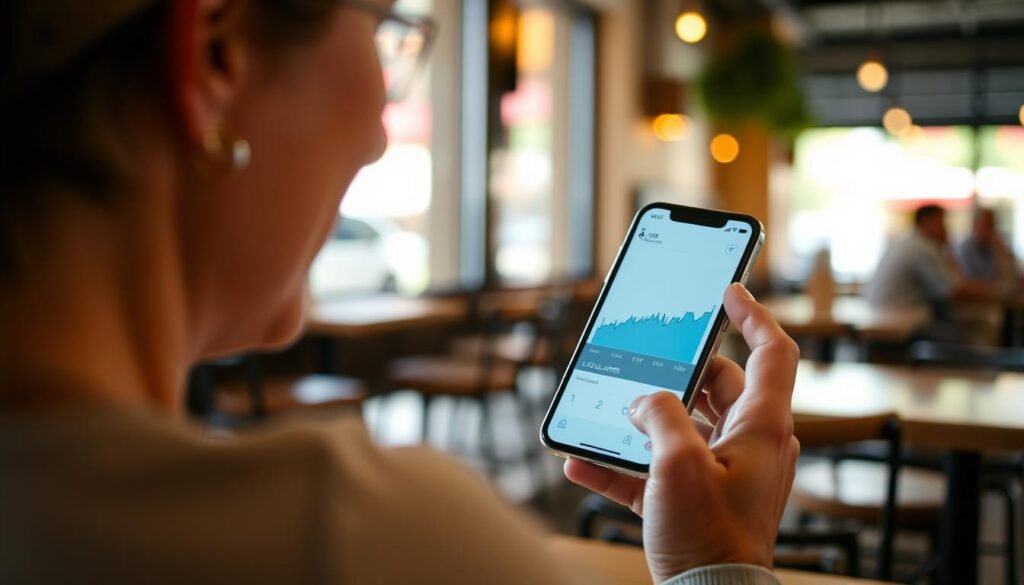
Dexcom G7: Best Overall for Smartphone Integration
The Dexcom G7 represents the latest advancement in continuous glucose monitoring technology with exceptional smartphone integration capabilities. This system provides real-time glucose readings every 5 minutes without requiring manual scanning, making it ideal for users who want continuous data without interruption.
The G7 sensor is 60% smaller than its predecessor, the G6, making it more discreet and comfortable for everyday wear. The sensor attaches to the back of your upper arm or abdomen and communicates wirelessly with your smartphone, eliminating the need for a separate receiver (though one is available if preferred).
Mobile App Experience
The Dexcom G7 app (available for both iOS and Android) features an intuitive interface that displays current glucose readings, trend arrows, and customizable alerts. You can share your data with up to 10 followers, making it excellent for parents monitoring children with diabetes or for adults who want family members to have access to their readings.


Pros
- Real-time readings without manual scanning
- Smaller, more discreet sensor than previous models
- Data sharing with up to 10 people
- Customizable alerts for high and low readings
- 30-minute sensor warmup (faster than G6)
Cons
- Higher cost compared to some competitors
- 10-day sensor life (shorter than some alternatives)
- Requires prescription
- May have connectivity issues with some phone models
Ready to Try Dexcom G7?
The Dexcom G7 offers industry-leading accuracy and smartphone integration for comprehensive diabetes management. Consult with your healthcare provider to determine if it’s right for you.
Abbott FreeStyle Libre 3: Best Value CGM with Smartphone Integration
The Abbott FreeStyle Libre 3 offers an excellent balance of affordability and functionality for those seeking smartphone-integrated glucose monitoring. This latest version is 70% smaller than previous models, making it the world’s smallest glucose sensor at about the size of two stacked pennies.
Unlike earlier Libre models that required manual scanning, the Libre 3 automatically sends real-time glucose readings to your smartphone every minute. The sensor is applied to the back of the upper arm and lasts for 14 days, providing continuous data without the need for fingerstick calibration.
Mobile App Features
The FreeStyle Libre 3 app provides comprehensive glucose data including current readings, 8-hour history, and trend arrows indicating the direction your glucose is heading. The app also generates insightful reports that can be easily shared with healthcare providers to improve treatment decisions.

Pros
- More affordable than many competitors
- 14-day sensor life
- Extremely small and discreet sensor
- No fingerstick calibration required
- Minute-by-minute automatic readings
Cons
- Requires prescription
- Optional alarms not as customizable as some competitors
- Cannot be used with insulin pumps
- Limited water resistance (30 minutes at 3 feet)
Experience the FreeStyle Libre 3
The FreeStyle Libre 3 offers excellent value with its extended sensor life and automatic readings. Speak with your healthcare provider about whether this system fits your diabetes management needs.
Eversense 365: Longest-Lasting CGM with Smartphone Integration
The Eversense 365 stands out with its revolutionary approach to continuous glucose monitoring. Unlike traditional CGMs that require frequent sensor changes, the Eversense features an implantable sensor that lasts for an entire year, dramatically reducing the maintenance associated with glucose monitoring.
This system consists of three parts: a small sensor inserted under the skin by a healthcare provider, a removable transmitter worn over the sensor, and a mobile app that displays your glucose data. The transmitter not only sends data to your smartphone but also provides on-body vibration alerts when glucose levels are too high or too low, even when your phone isn’t nearby.
Mobile App Capabilities
The Eversense app provides comprehensive glucose monitoring with customizable alerts, detailed reports, and easy data sharing. The app’s interface displays current glucose levels, trend arrows, and historical data to help identify patterns and make informed decisions about diabetes management.

Pros
- 365-day sensor life
- On-body vibration alerts
- Removable transmitter for flexibility
- Predictive alerts up to 60 minutes in advance
- No need for frequent sensor changes
Cons
- Requires minor procedure for sensor insertion
- Needs twice-daily calibration with fingersticks
- Higher initial cost (though potentially lower long-term)
- Limited healthcare provider availability for insertion
Interested in Eversense 365?
The Eversense 365 offers unmatched convenience with its year-long sensor life. Discuss with your healthcare provider if this long-term solution is appropriate for your diabetes management.
Stelo by Dexcom: Best Over-the-Counter CGM with Smartphone Integration
Stelo by Dexcom represents a significant breakthrough as the first FDA-cleared over-the-counter continuous glucose monitor available without a prescription. This makes glucose monitoring technology accessible to a broader audience, including those with prediabetes or anyone interested in understanding their glucose patterns.
The system consists of a small sensor worn on the back of the upper arm for up to 15 days, providing continuous glucose data directly to your smartphone. The sensor application is painless and straightforward, making it user-friendly even for those new to continuous glucose monitoring.
Mobile App Experience
The Stelo app offers a clean, intuitive interface that displays your current glucose level, trends, and patterns. While it doesn’t provide the safety alerts found in prescription CGMs (for high or low blood sugar), it excels at helping users understand how their lifestyle choices affect their glucose levels, making it ideal for those focused on prevention and wellness.

Pros
- No prescription required
- 15-day sensor life
- HSA/FSA eligible
- Painless application
- Great for lifestyle insights and prevention
Cons
- No safety alerts for dangerous glucose levels
- Not intended for insulin-dependent users
- Limited integration with other health platforms
- Subscription cost adds up over time
Try Stelo Without a Prescription
Stelo offers an accessible way to monitor your glucose patterns without a prescription. Perfect for those focused on prevention or understanding their body’s response to different foods and activities.
Medtronic Guardian Connect: Best for Predictive Alerts with Smartphone Integration
The Medtronic Guardian Connect system stands out for its advanced predictive alert technology, which can warn users up to 60 minutes before reaching high or low glucose levels. This proactive approach gives users valuable time to take corrective action before experiencing potentially dangerous blood sugar fluctuations.
The system consists of a small sensor inserted under the skin, a transmitter that sends data wirelessly, and a smartphone app that displays your glucose information. With a 7-day sensor life, it requires more frequent changes than some competitors but compensates with its predictive capabilities.
Mobile App and AI Assistant
The Guardian Connect app is enhanced with the Sugar.IQ diabetes assistant, which uses artificial intelligence to identify patterns in your glucose data and provide personalized insights. This smart technology helps users understand how their diet, exercise, and insulin affect their glucose levels, enabling more informed decision-making for diabetes management.

Pros
- Predictive alerts up to 60 minutes in advance
- AI-powered Sugar.IQ assistant for personalized insights
- Easy data sharing with healthcare providers
- Detailed reporting and pattern recognition
- Compatible with both iOS and Android
Cons
- Shorter 7-day sensor life
- Requires calibration every 12 hours
- More expensive than some alternatives
- Bulkier transmitter compared to newer models
Get Ahead with Guardian Connect
The Guardian Connect system with predictive alerts can help you stay ahead of glucose fluctuations. Consult with your healthcare provider to see if this proactive monitoring approach is right for you.
Buyer’s Guide: Choosing the Right Glucose Monitor with Smartphone Integration
Selecting the ideal glucose monitor with smartphone integration requires careful consideration of several factors. This guide will help you navigate the options based on your specific needs and circumstances.

Medical Considerations
- Consult your healthcare provider first
- Consider your diabetes type and severity
- Evaluate accuracy needs based on insulin usage
- Assess skin sensitivity for adhesives
- Determine if you need predictive alerts
Technology Factors
- Check smartphone compatibility
- Evaluate app features and interface
- Consider data sharing capabilities
- Assess battery life requirements
- Determine if you need smartwatch integration
Lifestyle Considerations
- Evaluate water resistance needs
- Consider sensor size and visibility
- Assess sensor duration preferences
- Determine if you need exercise tracking
- Consider travel and daily activities
Insurance and Cost Considerations
The financial aspect of glucose monitoring is an important consideration. Here’s what to keep in mind:
Insurance Coverage
Most insurance plans, including Medicare, cover prescription CGMs for people with diabetes who meet specific criteria. Coverage varies by plan, so check with your insurance provider about:
- Which specific devices are covered
- Prior authorization requirements
- Out-of-pocket costs and deductibles
- Coverage for supplies and replacements
Total Cost of Ownership
When evaluating costs, consider both initial and ongoing expenses:
- Initial device/starter kit cost
- Sensor replacement frequency and cost
- Transmitter replacement (if applicable)
- Subscription fees for premium app features
- Additional supplies (adhesives, over-patches)
Prescription Requirements
Most continuous glucose monitors require a prescription from your healthcare provider. The only exceptions are over-the-counter options like Stelo by Dexcom and Lingo by Abbott, which are designed for wellness tracking rather than medical management of diabetes. Always consult with your healthcare provider before starting any glucose monitoring program.
Maximizing Smartphone Integration with Your Glucose Monitor
Getting the most from your smartphone-integrated glucose monitor involves optimizing both the technical setup and how you use the data. Here are practical tips to enhance your experience:

Technical Optimization
- Keep your smartphone’s Bluetooth and notifications enabled
- Ensure your CGM app has background permissions
- Keep your phone within the recommended range of your transmitter
- Update your app regularly for the latest features and security
- Use a phone case that doesn’t interfere with signal transmission
Data Utilization
- Review weekly and monthly reports to identify patterns
- Share data with your healthcare team before appointments
- Set up alerts that are helpful without being overwhelming
- Use the data to understand how specific foods affect your glucose
- Track exercise alongside glucose data to see correlations
Troubleshooting Common Issues
Even the best glucose monitoring systems can encounter occasional problems. Here are solutions to common issues:
What should I do if my app stops receiving data?
First, ensure Bluetooth is enabled and your phone is within range of the transmitter. Try closing and reopening the app, checking for updates, or restarting your phone. If problems persist, you may need to reconnect your transmitter or contact customer support.
How can I improve sensor adhesion?
Clean the application site thoroughly with alcohol and allow it to dry completely before applying. Consider using skin preparation products or over-patches designed for CGMs. Avoid areas with excessive movement or that get sweaty during your activities.
Why are my CGM readings different from my fingerstick readings?
CGMs measure glucose in interstitial fluid rather than blood, which can cause a 5-15 minute lag behind blood glucose levels. This difference is most noticeable when glucose levels are changing rapidly. If discrepancies are large or consistent, contact your healthcare provider.
Future Trends in Smartphone-Integrated Glucose Monitoring
The field of glucose monitoring is rapidly evolving, with several exciting developments on the horizon that will further enhance smartphone integration and user experience.

Non-Invasive Monitoring
Researchers are working on completely non-invasive glucose monitoring methods using technologies like optical sensors, radio waves, and spectroscopy. These could eventually eliminate the need for sensors that penetrate the skin, making glucose monitoring more comfortable and accessible.
Closed-Loop Systems
The integration of CGMs with insulin pumps to create “artificial pancreas” systems is advancing rapidly. These systems use smartphone apps as control centers, automatically adjusting insulin delivery based on glucose readings without user intervention.
AI and Predictive Analytics
Machine learning algorithms are becoming more sophisticated at predicting glucose trends and providing personalized recommendations. Future apps will likely offer increasingly accurate predictions and tailored advice for managing diabetes.
Expanded Smartwatch Integration
While some CGMs already display data on smartwatches, future developments will likely expand these capabilities with more comprehensive data visualization, improved alerts, and even direct sensor communication without requiring a smartphone intermediary.
Broader Health Ecosystem Integration
Glucose monitoring apps are increasingly integrating with other health platforms to provide a more holistic view of health. Future systems will likely offer seamless connections with fitness trackers, nutrition apps, electronic medical records, and other health monitoring devices.
Conclusion: Finding Your Ideal Glucose Monitor with Smartphone Integration
Selecting the right glucose monitor with smartphone integration can significantly improve your diabetes management experience. Each of the devices reviewed offers unique advantages for different user needs:

Best for Overall Performance
- Dexcom G7
- Real-time data without scanning
- Excellent app experience
- Comprehensive alert system
- Data sharing with up to 10 people
Best for Value
- Abbott FreeStyle Libre 3
- 14-day sensor life
- More affordable option
- Extremely small sensor
- No calibration required
Best for Convenience
- Eversense 365
- 365-day sensor life
- Removable transmitter
- On-body vibration alerts
- Reduced sensor changes
Remember that the “best” glucose monitor is ultimately the one that fits your specific needs, preferences, and lifestyle. Consider factors such as accuracy requirements, smartphone compatibility, ease of use, and cost when making your decision.
Always consult with your healthcare provider before choosing a glucose monitoring system. They can provide personalized recommendations based on your medical history, treatment plan, and specific needs.
Take Control of Your Diabetes Management
Modern glucose monitors with smartphone integration offer unprecedented convenience and insights for effective diabetes management. Discuss these options with your healthcare provider to find the perfect solution for your needs.