
Did you know that persons with type 1 diabetes have to make roughly 180 health decisions every day? That’s around one every five minutes. It’s a lot of mental work that never ceases. Artificial Pancreas: 5 Life-Changing Benefits You Need to Know
Your family and you may get really tired from having to watch all the time. We want to make things easier. This way, you can enjoy life more and not worry as much about sugar in your food. This dream is coming true thanks to new technology.
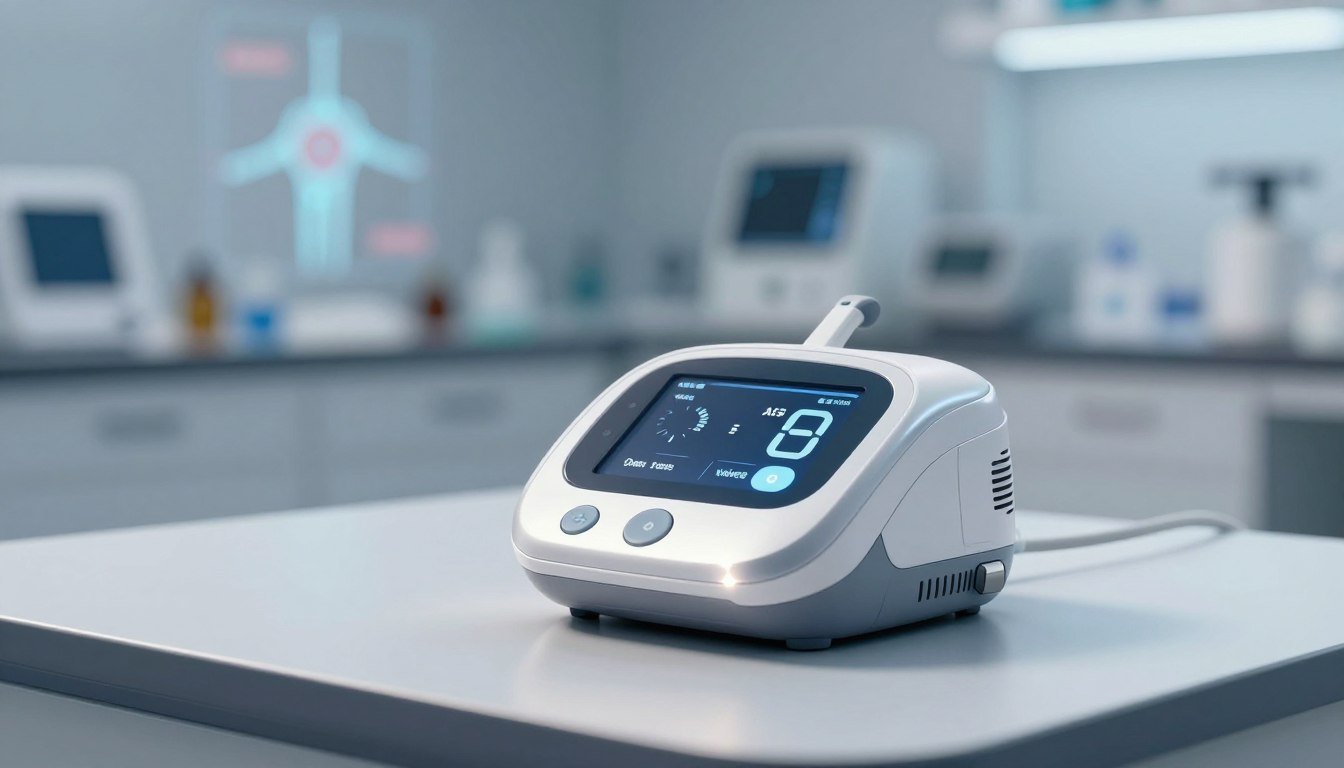
There are huge developments happening in how diabetes is treated today. We can now deliver insulin automatically thanks to new tools. This device, termed an artificial pancreas, links your glucose levels to the insulin you need.
These devices utilize advanced algorithms to keep an eye on your levels and give you the proper amount of insulin at the right time. It operates like your body does, giving you a sense of equilibrium that was hard to find before. Now, technology is doing the hard work of keeping your blood sugar levels stable.
Important Points
Automated systems make it much easier to make health decisions every day.
Adjusting insulin levels in real time helps keep blood sugar levels more stable all day.
Better nightly monitoring makes sleep safer and glucose levels better in the morning.
Technology helps connect complicated medical information with everyday tasks.
Users frequently indicate an enhanced quality of life and increased autonomy in their food selections.
Advanced sensors let you feel safe by letting you know when your blood sugar might drop before it happens.
Understanding the Artificial Pancreas: A Breakthrough in Diabetes Care
For people with diabetes, the artificial pancreas is a big help. It works like a healthy pancreas to control sugar levels. It’s also called an automated insulin delivery system or closed-loop system.
What Is an Artificial Pancreas System?
The Artificial Pancreas Device System is like a healthy pancreas. It helps control sugar levels. It uses new tech to send insulin when needed, based on sugar levels.
The Three Core Components of Automated Insulin Delivery
An artificial pancreas has three main parts:
- A continuous glucose monitoring system (CGM) that tracks sugar levels all day.
- An insulin infusion pump that sends insulin when it’s needed.
- A control algorithm that looks at CGM data and changes insulin delivery.
These parts work together to keep sugar levels right where they should be.
How Closed-Loop Systems Replace Beta Cell Function
In a healthy body, beta cells make and control insulin. The artificial pancreas does this job instead. It uses data from the CGM to tell the insulin pump how much insulin to send. This keeps sugar levels just right.
“The Artificial Pancreas Device System automates the process of insulin delivery based on continuous glucose monitoring data,” effectively replicating the natural function of beta cells.
| Component | Function | Benefit |
|---|---|---|
| Continuous Glucose Monitor | Tracks glucose levels throughout the day | Provides real-time data for insulin adjustments |
| Insulin Infusion Pump | Delivers insulin as commanded by the control algorithm | Automates insulin delivery, reducing manual intervention |
| Control Algorithm | Analyzes CGM data and adjusts insulin delivery | Mimics the natural glucose regulation of a healthy pancreas |
The artificial pancreas system is a smart way to manage diabetes. It gives people with diabetes more freedom and confidence every day.
How Artificial Pancreas Technology Works to Control Blood Sugar
Artificial pancreas systems use special tech to keep blood sugar levels right. They mix continuous glucose monitoring and insulin pump tech. This makes managing diabetes easier for people.
Continuous Glucose Monitor and Insulin Pump Communication
The heart of artificial pancreas tech is how the continuous glucose monitor (CGM) and insulin pump talk to each other. The CGM watches glucose levels all day and night. It sends this info to the insulin pump.
The CGM checks glucose in the body’s fluid. It sends this info to the insulin pump. Then, the pump changes how much insulin is given based on what the body needs.
Real-Time Insulin Delivery Adjustments
Artificial pancreas systems are great at making real-time insulin delivery adjustments. They watch glucose levels and change insulin dosages as needed. This helps keep blood sugar in a good range.
Recent studies show these systems adjust insulin based on many factors. They use current and past info to figure out the right insulin dose. This helps match insulin to what the body needs.
The Algorithm That Mimics Your Pancreas
At the center of artificial pancreas systems is a smart algorithm. It works like the pancreas to decide the right insulin dose. This helps manage glucose better.
The algorithm looks at many things like current glucose levels and how they’re changing. It also considers how much insulin has been given. This way, it can adjust insulin to keep blood sugar in check.
Benefit 1: Achieve Superior Blood Sugar Control Without Constant Effort
Artificial pancreas systems make it easy to control blood sugar. They help people with diabetes keep their sugar levels right where they should be. This means less work for them every day.
Staying in Your Target Glucose Range More Consistently
Artificial pancreas systems keep your sugar levels steady. They watch your sugar and adjust insulin as needed. This stops big swings in sugar levels that can be bad.
Automatic Corrections for Blood Sugar Levels Throughout the Day
These systems use smart tech to fix sugar levels all day. They work when you eat, move, or just live your life. This makes managing diabetes easier and less hands-on.
Improved Time in Range Compared to Traditional Insulin Therapy
Studies show these systems help you stay in the right sugar range more. On average, you can spend about 2.5 hours more in range each day as a study found. This is because they always check and adjust insulin for you.
Real-World Results from Clinical Diabetes Research
These systems work well in real life too. People have seen their sugar control get better and stay better. This shows how these systems can really change how we manage diabetes, making life easier and more stable.
Benefit 2: Slash Your Risk of Dangerous Hypoglycemia Episodes
Diabetes means always watching out for hypoglycemia. But, what if you could cut down that risk a lot? Automated insulin delivery systems are made to help you do that. They keep an eye on your blood sugar and adjust insulin as needed, protecting you from hypoglycemia.
How Automated Systems Prevent Low Blood Sugar
These systems use smart math to stop low blood sugar. They look at your glucose monitor data to see when you might get low. Then, they adjust your insulin to keep your levels safe.
Predictive analytics are key here. The system guesses when your glucose might fall too low. It uses your past data, activity, and more to make smart insulin changes.
Predictive Insulin Suspension Before Glucose Drops
Automated systems can pause insulin when they think you might get low. This predictive insulin suspension is very helpful, like a guardian at night when you can’t check your levels.
“Hybrid closed-loop systems deliver more precise insulin doses frequently, providing better long-term control and lowering the risk of diabetes-related complications.”
Nighttime Protection While You Sleep
Nighttime is hard for people with diabetes. You can’t check your blood sugar as much. But, these systems watch your levels and adjust insulin all night.
This keeps you safe from low blood sugar at night. It gives you and your family peace of mind.
Reduced Emergency Interventions and Hospital Visits
These systems cut down on severe hypoglycemia. This means fewer emergencies and hospital trips. It makes life better and saves money on diabetes care.
| Benefit | Description | Impact |
|---|---|---|
| Predictive Insulin Suspension | Automatically stops insulin delivery when low blood sugar is predicted | Reduces risk of hypoglycemia |
| Nighttime Protection | Continuous monitoring and adjustments during sleep | Prevents nocturnal hypoglycemia |
| Reduced Emergency Visits | Minimizes severe hypoglycemia episodes | Lowers hospital visits and healthcare costs |
With these advanced features, you can lower your risk of dangerous hypoglycemia. Enjoy a more stable, healthy life with diabetes.
Benefit 3: Reclaim Your Freedom from Round-the-Clock Diabetes Management
Artificial pancreas systems make managing diabetes easier. They take over many tasks, giving you more freedom. This means you can live better, not just do less.
Fewer Finger Sticks and Manual Glucose Monitoring Tasks
Old ways of managing diabetes mean lots of finger sticks. But, continuous glucose monitoring (CGM) in artificial pancreas systems cuts down on this. It’s less painful and gives a clearer view of your blood sugar all day.
Liberation from Constant Carb Counting and Insulin Dosing Calculations
Figuring out insulin doses can be hard and takes a lot of time. Artificial pancreas systems make this easier. They adjust insulin based on your blood sugar, so you don’t have to think about it as much.
Eating with Flexibility Using Advanced Meal Announcements
Some artificial pancreas systems can tell when you’re about to eat. This lets them adjust your insulin before your meal. So, you can eat without worrying as much about your blood sugar.
Exercise Without Fear of Blood Sugar Crashes
Working out is important, but it can be scary with diabetes. Artificial pancreas systems help by adjusting insulin when you move. This means you can exercise with more confidence, knowing your system is keeping your blood sugar stable.
Check out the Medtronic Diabetes milestone timeline for more on how tech has helped. Artificial pancreas systems are a big step forward. They make managing diabetes easier and less stressful.
- Reduced burden of manual glucose monitoring
- Simplified insulin dosing with automated systems
- Greater flexibility in meal planning and exercise
- Improved overall quality of life
Benefit 4: Protect Your Long-Term Metabolic Health and Reduce Complications
Using an artificial pancreas helps keep your blood sugar levels right. This is key to avoiding serious diabetes problems later on.
Lower HbA1c Levels with Closed-Loop Insulin Systems
People with diabetes who use these systems have better blood sugar control. Kids and teens do even better, showing how well these systems work.
Key Benefits of Lower HbA1c Levels:
- Less chance of diabetes problems
- Better health overall
- Higher quality of life
Decreased Total Daily Insulin Exposure
Artificial pancreas systems make sure you get the right amount of insulin. This is good because it doesn’t overwork your body.
Fighting Insulin Resistance Through Optimized Delivery
Insulin resistance is a big worry for people with diabetes. It can cause many health problems. The artificial pancreas fights this by giving insulin in a way that works better with your body.
Reducing Risk of Metabolic Dysfunction and Diabetes Complications
Artificial pancreas systems keep your blood sugar and insulin levels just right. This helps avoid metabolic problems and diabetes complications. It’s a smart way to manage diabetes for the long term.
| Benefits | Description | Impact |
|---|---|---|
| Lower HbA1c Levels | Achieved through tight glycemic control | Reduced risk of diabetes complications |
| Decreased Total Daily Insulin | Optimized insulin delivery | Less strain on the body |
| Fighting Insulin Resistance | Physiological insulin delivery | Improved insulin sensitivity |
Benefit 5: Experience Better Sleep and Dramatically Improved Quality of Life
Artificial pancreas technology does more than just control blood sugar. It changes lives. It makes managing type 1 diabetes easier and less stressful.
Sleeping Peacefully Without Blood Sugar Alarms
Artificial pancreas systems let you sleep well without blood sugar alarms. Old glucose monitors often wake you up at night. But these new systems keep your sugar levels steady, so you sleep better.
A parent said, “It really helped his stress and sleep. It helped us parents too.” This shows how much these systems can improve family life and happiness.
Reduced Anxiety and Mental Burden
Living with type 1 diabetes can be scary. You always have to watch your blood sugar. But artificial pancreas systems take some of that worry away. They make you feel safer because they help control your sugar levels.
Greater Confidence in Daily Activities and Social Situations
Artificial pancreas systems make you feel braver in everyday life. You can go out to eat or play sports without worry. You know your sugar levels are being watched and kept safe.
Significant Relief for Caregivers and Family Members
These systems also help those who care for you. They don’t have to watch your sugar levels all the time. This makes caring for someone with type 1 diabetes less stressful.
In short, artificial pancreas systems greatly improve life. They help you sleep better, feel less worried, and are more confident. They also make life easier for those who care for you. These systems are truly life-changing for many with type 1 diabetes.
Who Should Consider Artificial Pancreas Systems for Diabetes Treatment?
Diabetes treatment is getting better. It’s key to know who can use artificial pancreas systems. These systems help people with diabetes a lot. But, we need to pick the right people for this new treatment.
Ideal Candidates with Type 1 Diabetes
Type 1 diabetes patients can really benefit from these systems. Studies show that all types of type 1 diabetes patients get better with them. They help control blood sugar, lower the chance of low blood sugar, and make life better.
Key benefits for type 1 diabetes patients include:
- Improved blood sugar management
- Reduced risk of diabetic complications
- Enhanced flexibility in daily activities
Type 2 Diabetes Patients on Intensive Insulin Therapy
Type 2 diabetes patients on a lot of insulin can also get help. They often have trouble keeping their blood sugar right. The automated insulin delivery helps a lot.
“The use of artificial pancreas systems in type 2 diabetes patients on intensive insulin therapy has shown promising results in clinical trials, improving blood sugar control and lowering the risk of low blood sugar.”
Special Considerations for Children and Teens
Children and teens with diabetes have special needs. Artificial pancreas systems can really help them. They help control blood sugar, make managing diabetes easier, and improve their life quality.
When Traditional Diabetes Management Falls Short
For those who can’t manage diabetes well with old methods, these systems are a good choice. They help with blood sugar problems, make it easier to reach sugar goals, and lessen the stress of diabetes.
Healthcare providers can help more people by knowing who needs these systems. This way, they can give better care for diabetes.
Top Artificial Pancreas Systems Available in the United States
The U.S. is seeing big changes in artificial pancreas systems. Now, many FDA-approved systems are out. They have different features and benefits for managing diabetes.
Medtronic MiniMed 780G with Guardian 4 CGM
The Medtronic MiniMed 780G with Guardian 4 CGM is a big step forward. It has advanced glucose monitoring and automated insulin dosing. This makes managing diabetes easier and more effective.
Key features include:
- Advanced algorithm for precise insulin delivery
- Guardian 4 CGM for continuous glucose monitoring
- Automatic adjustments for improved glucose control
Tandem t:slim X2 with Control-IQ Technology
The Tandem t:slim X2 insulin pump with Control-IQ technology is another top choice. It uses predictive algorithms to adjust insulin. This helps keep blood sugar levels just right.
Notable features include:
- Control-IQ technology for automated insulin adjustments
- t:slim X2 insulin pump for reliable insulin delivery
- Compatibility with Dexcom CGM for continuous glucose data
Omnipod 5 Tubeless Automated Insulin Delivery System
The Omnipod 5 is a tubeless artificial pancreas. It’s easy to use and flexible. It works with a CGM for automated insulin delivery, making it a great choice for many.
Key benefits include:
- Tubeless design for increased comfort and discretion
- Automated insulin delivery with predictive capabilities
- Compatibility with various CGM systems
Comparing Features and Choosing the Right System
Choosing an artificial pancreas system needs careful thought. Look at CGM compatibility, insulin pump features, and algorithm capabilities. Each system has its own strengths and may fit better with your needs.
A comparison of the features of these systems can be seen below:
| System | CGM Compatibility | Insulin Pump Type | Automated Features |
|---|---|---|---|
| Medtronic MiniMed 780G | Guardian 4 CGM | MiniMed 780G Pump | Advanced algorithm, automatic adjustments |
| Tandem t:slim X2 | Dexcom CGM | t:slim X2 Pump | Control-IQ technology, predictive adjustments |
| Omnipod 5 | Various CGM systems | Tubeless Pod | Automated insulin delivery, predictive capabilities |
Knowing what each system offers helps you choose the best one for you. This way, you can manage your diabetes effectively.
How to Get Started with Automated Insulin Delivery Technology
Automated insulin delivery systems are a big step in diabetes care. But, it’s important to know where to start. You’ll need to work with your healthcare team, check your insurance, and get ready for learning and adjusting.
Working with Your Diabetes Care Team
Your diabetes care team is key when starting with automated insulin delivery. They need to know these systems well to help you use them right. Manufacturers often train them to give the best advice.
Expect your care team to:
- Check if you’re right for automated insulin delivery
- Talk about the good and bad sides
- Help pick the best system for you
- Teach you how to use it well
Insurance Coverage and Financial Assistance Options
Understanding insurance for automated insulin delivery is important. Many insurances cover these systems, but how much can change.
| Insurance Provider | Coverage Details | Out-of-Pocket Costs |
|---|---|---|
| Medicare | Covers certain automated insulin delivery systems | Varies by plan |
| Private Insurers | Coverage varies by provider and plan | Varies by plan |
| Medicaid | Coverage varies by state | Varies by state |
It’s key to talk with your healthcare team and insurance about what you’ll pay. There are also programs to help make these systems more affordable.
Training Requirements and Adjustment Period
After picking a system, you’ll need training. This training will teach you how to set it up, use it, and solve problems.
- Setting up and calibrating the system
- Understanding the user interface and alerts
- Managing insulin delivery and glucose monitoring
- Troubleshooting common issues
There’s a time to get used to the new tech. Be patient and ask your healthcare team if you have questions or worries.
By working with your diabetes care team, knowing about insurance, and being ready for learning and adjusting, you can use automated insulin delivery technology well. This will bring you many benefits.
The Future of Diabetes Technology and Ongoing Innovation
Diabetes technology is getting better fast. New ideas are coming that will change how people with diabetes live. These new things will make treatments better and open up new ways to help.
“The technology is getting better; we think it will get even more accurate and helpful,” says one expert. This shows how hard people are working to make diabetes care better. We see this in many areas.
Next-Generation Glucose Monitoring Advances
New glucose monitors are getting smarter. They are more accurate and easy to use. These new features include:
- Longer-lasting and more comfortable sensors
- Better data analysis for insights
- Linking with other health data for a full picture
Soon, these monitors might use AI to guess blood sugar levels. This could help people manage their diabetes better.
Promising Diabetes Research and Clinical Trials
Research and trials are key to finding new things. Some exciting areas are:
| Research Area | Potential Impact |
|---|---|
| Stem cell therapies | Could grow new beta cells in the pancreas |
| Immunomodulation techniques | Could stop or reverse Type 1 diabetes |
| Advanced insulin formulations | Could have insulin that works faster and lasts longer |
This shows how fast diabetes research is moving. It could change how we treat diabetes a lot.
The Path Toward Full Pancreas Replacement
Some scientists want to make a fake pancreas that works like the real one. This is a big challenge, but they are making progress:
“Bioengineering and stem cell research are bringing us closer to creating a device that can fully replace pancreas function, potentially curing Type 1 diabetes.”
This fake pancreas would control blood sugar and help the body regulate itself again.
In short, the future of diabetes tech looks bright. With more research and new tech, people with diabetes will have better ways to manage their condition.
Conclusion
Artificial pancreas systems are a big step forward in managing diabetes. They bring many benefits that can really change your life.
These systems make insulin delivery automatic. This helps control blood sugar levels better. It also means less work for you, giving you more freedom and peace of mind.
If you have Type 1 or Type 2 diabetes, artificial pancreas tech can change your daily life. It lets you focus on what’s important to you.
When looking at diabetes care options, check out the latest artificial pancreas systems. Talk to your healthcare provider about their benefits.

