



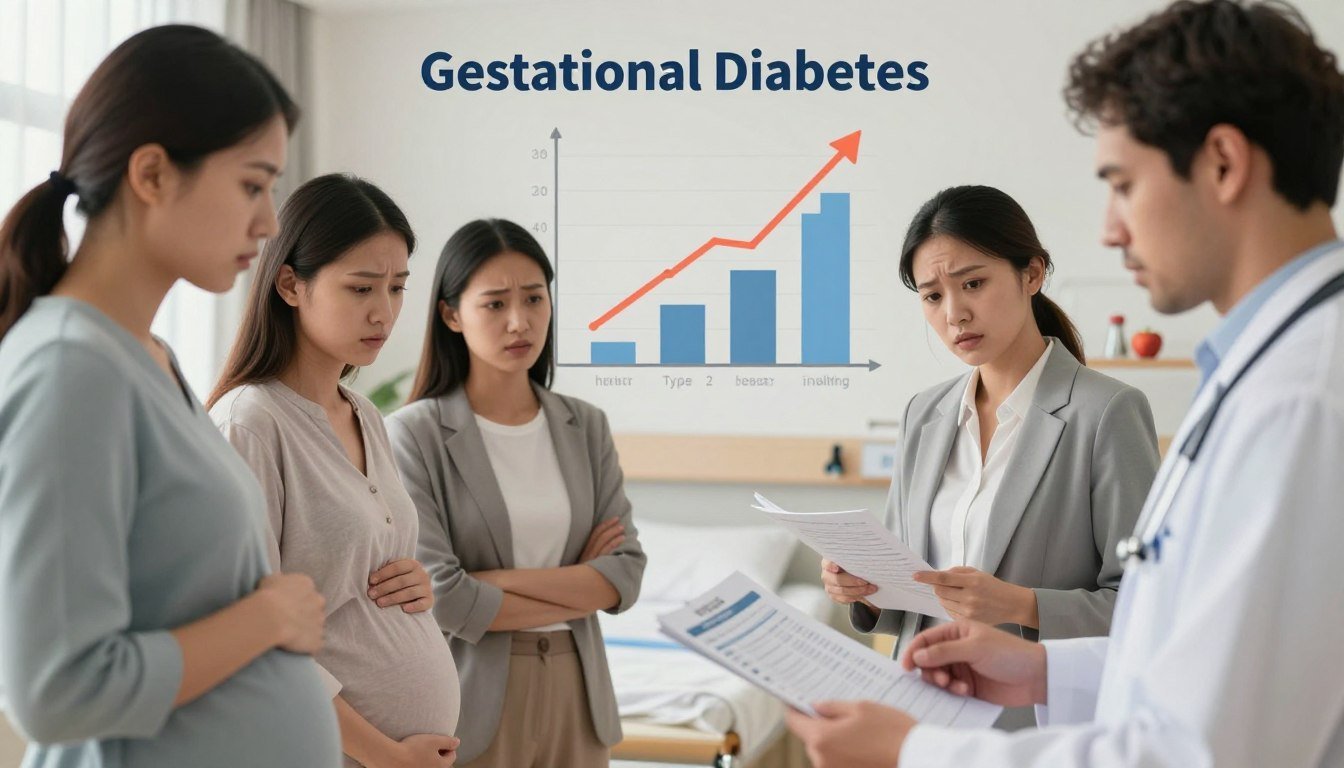
Key Takeaways
- This condition impacts approximately 6% of pregnancies in the United States.
- Pregnancy blood sugar levels are strong predictors of future health status.
- Early awareness helps you manage long-term wellness more effectively.
- Proactive lifestyle changes can significantly lower future health risks.
- Postpartum care is a vital time to focus on your personal recovery.
- Staying active and eating well creates a legacy of health for your family.
Why Your Gestational Diabetes History Matters More Than You Think
Gestational diabetes is more than just a pregnancy issue. It affects your health long after pregnancy. If you had gestational diabetes, you’re not alone. There’s a clear way forward for you. Knowing your gestational diabetes history is key. It affects your risk of getting type 2 diabetes later. This is a big deal and knowing it is the first step to managing it. It’s important to remember the gestational diabetes symptoms you had. These symptoms might be hard to notice or seem like normal pregnancy changes. So, it’s key to think back to how you felt during pregnancy. Managing gestational diabetes well during pregnancy helps a lot. It not only controls the condition but also lowers the risk of getting diabetes later. Your history with gestational diabetes is a big clue about your metabolic health. It shows your body had trouble with blood sugar during pregnancy. This could happen again or turn into a lasting diabetes problem. Knowing this is empowering. It means your past doesn’t decide your future. With the right lifestyle changes and medical care, you can lower your risk. The goal is to use this knowledge to make smart health choices.Understanding Gestational Diabetes: What Really Happened to Your Body
Pregnancy makes big changes in your body. Sometimes, this leads to gestational diabetes. Your body changes to help the baby grow, but it can also cause insulin resistance and high blood sugar.The Metabolic Storm That Occurred During Pregnancy
The exact cause of gestational diabetes is not fully known. But, the placenta’s hormones can block the mother’s insulin. This makes it hard for glucose to get into cells, raising blood sugar levels. This change is a big metabolic shift during pregnancy. To understand this better, let’s look at how pregnancy affects insulin sensitivity:| Pre-Pregnancy | During Pregnancy |
|---|---|
| Normal insulin sensitivity | Increased insulin resistance due to placental hormones |
| Glucose metabolism is typically normal | Glucose metabolism is altered, potentially leading to gestational diabetes |
Gestational Diabetes Symptoms You Might Have Missed
Gestational diabetes often has no symptoms. But, some women might notice increased thirst and urination, fatigue, and blurred vision. Spotting these signs early can help manage the condition.
The Numbers Don’t Lie: Your Elevated Risk for Type 2 Diabetes
Having gestational diabetes can make you more likely to get type 2 diabetes later. Studies show women with gestational diabetes are at a higher risk. This is compared to those who didn’t have it during pregnancy.What Research Reveals About Your Future Health
Research shows gestational diabetes is a big warning sign for type 2 diabetes. This is because pregnancy can reveal insulin resistance. This is a big change in how your body uses insulin. Key findings from research include:- A big jump in the risk of getting type 2 diabetes after gestational diabetes.
- The risk is highest in the first few years after pregnancy. But it stays high for many years.
- Women with a history of gestational diabetes are more likely to get metabolic syndrome. This is a group of conditions that raise the risk of heart disease, stroke, and type 2 diabetes.
The Timeline of Risk: When You’re Most Vulnerable
The risk of getting type 2 diabetes after gestational diabetes changes over time. The risk is highest in the first 5-10 years after pregnancy.| Time After Pregnancy | Risk Level |
|---|---|
| 0-5 years | High |
| 5-10 years | Moderate to High |
| 10+ years | Moderate |
Why Your Risk Differs from Women Without Gestational Diabetes
Many things make your risk of type 2 diabetes higher if you had gestational diabetes. These include your genes, lifestyle, and the changes in your body during pregnancy. Knowing these factors is key to managing your risk. By understanding your risk and taking steps, you can lower your chance of getting type 2 diabetes.The Science Behind Your Continued Vulnerability
After having gestational diabetes, you know your risk for type 2 diabetes went up. But knowing why can help you manage it better. Gestational diabetes happens because of how your pancreas works in women with insulin resistance. Insulin resistance means your body’s cells don’t respond well to insulin. During pregnancy, your body makes more insulin because of the placenta’s hormones. But sometimes, your pancreas can’t make enough insulin, leading to gestational diabetes.How Insulin Resistance Becomes a Lasting Legacy
When you had gestational diabetes, your body couldn’t make enough insulin. This led to high blood sugar levels. Even after pregnancy, some women keep having insulin resistance. This can raise the risk of getting type 2 diabetes. The good news is that lifestyle changes can make your body use insulin better. Eating healthy and exercising regularly can help. This can lower your risk of getting type 2 diabetes.

Your Pancreas After Pregnancy: The Hidden Struggle
Your pancreas is key in managing blood sugar by making insulin. During pregnancy, it works harder because of insulin resistance. Women with gestational diabetes already have trouble making insulin. After pregnancy, their pancreas might keep having trouble, raising the risk of type 2 diabetes. Knowing why you’re at risk for type 2 diabetes after gestational diabetes helps you take action. By making healthy lifestyle choices, you can improve your insulin sensitivity. This supports your pancreas and lowers your risk of getting type 2 diabetes.Beyond Pregnancy: Gestational Diabetes Complications That Extend Into Your Future
Gestational diabetes is more than a pregnancy issue. It’s a sign of possible future health problems. It affects you during pregnancy and can impact your health long after. It’s important to know about these long-term effects. Women with gestational diabetes are more likely to get type 2 diabetes later. This risk is even higher if you had it in more than one pregnancy.Metabolic Memory and Why Your Body Remembers
Your body remembers past metabolic stress, like gestational diabetes. This memory can make your body more likely to face metabolic disorders in the future. Research shows that gestational diabetes can change your body’s insulin and glucose use. Even after pregnancy, your body might keep feeling these changes.Compounding Risk Factors You Need to Address
Several factors can make future complications more likely if you had gestational diabetes. These include family history of diabetes, being overweight, not being active, and eating poorly. Managing these factors is key to lowering your risk of type 2 diabetes and other metabolic problems. Here are some important things to think about:- Family History: A family history of diabetes raises your risk. Gestational diabetes makes this risk even higher.
- Obesity: Being overweight or obese can greatly increase your risk of insulin resistance and type 2 diabetes.
- Physical Activity: Regular exercise can improve your insulin sensitivity and lower your risk of metabolic problems.
- Diet: Eating a healthy, balanced diet is key to managing your blood sugar and keeping a healthy weight.
| Risk Factor | Impact on Future Health | Management Strategy |
|---|---|---|
| Family History of Diabetes | Increases risk of type 2 diabetes | Regular screening, healthy lifestyle |
| Obesity | Contributes to insulin resistance | Weight management through diet and exercise |
| Physical Inactivity | Reduces insulin sensitivity | Regular physical activity |
| Unhealthy Diet | Affects blood sugar levels and weight | Balanced diet, monitoring carbohydrate intake |
Your Action Plan: Practical Gestational Diabetes Management for Long-Term Prevention
After being diagnosed with gestational diabetes, you can take steps to avoid future health problems. You need to make diet changes, exercise regularly, and keep a healthy weight.The Power of a Sustainable Gestational Diabetes Diet Approach
A good gestational diabetes diet is key. Eat lots of veggies, fruits, whole grains, lean proteins, and healthy fats. Stay away from sugary drinks and foods with too much fat. This diet helps control your blood sugar during pregnancy. It also helps you stay healthy for a long time.“A healthy diet is not just about cutting out certain foods, but also about making sustainable lifestyle choices that you can maintain long-term.”Here are some diet tips:
- Eat lots of veggies and fruits
- Choose whole grains
- Go for lean proteins
- Limit foods with added sugars and saturated fats
Movement as Medicine: Exercise Strategies That Work
Exercise is very important for gestational diabetes management. Try to do at least 150 minutes of moderate exercise each week. Good choices include brisk walking, swimming, and cycling.- Brisk walking
- Swimming
- Cycling
Realistic Weight Management Goals
Keeping a healthy weight is key for managing gestational diabetes. Setting realistic goals and making small changes can help you stay on track.Small Changes That Make Big Differences
Begin with small steps like eating smaller portions or going for a short walk after meals. These small actions can make a big difference in your health over time.| Action | Benefit |
|---|---|
| Reducing daily caloric intake by 10% | Significant weight loss over time |
| Increasing physical activity by 30 minutes daily | Improved insulin sensitivity |

The Monitoring You Can’t Afford to Skip: Gestational Diabetes Test Protocol
After pregnancy, women with gestational diabetes start a new health journey. They must watch their health closely. This is because they are at higher risk for type 2 diabetes.Your Personalized Screening Schedule
Women with gestational diabetes should get tested 4–12 weeks after giving birth. Then, they should get tested for type 2 diabetes or prediabetes every 3 years. Your doctor might suggest a different schedule based on your health and risk factors. Key factors that might influence your screening schedule include:- Your gestational diabetes diagnosis details
- Family history of diabetes
- Physical activity level and diet
- Any previous diagnoses of prediabetes or type 2 diabetes
Understanding Your Numbers and Taking Action
It’s important to know what your test results mean. If you have prediabetes or type 2 diabetes, it’s a wake-up call. Early detection allows for early intervention, which can change your health path. If your results are normal, keep living healthy. Your doctor can tell you what to do next based on your results.When to Push for Earlier or More Frequent Testing
Some people might need to get tested more often. This includes those with a family history of diabetes, who are overweight, or have other diabetes risk factors. Talk to your doctor about this. Be proactive about your health by keeping track of your screenings and talking to your healthcare team. Regular monitoring and a healthy lifestyle protect you from diabetes risks.Evidence-Based Prevention: My Take on Current Gestational Diabetes Guidelines
Understanding health guidelines is key after gestational diabetes. The American Diabetes Association has great resources for doctors. These help manage your risk for type 2 diabetes.What Medical Guidelines Get Right About Gestational Diabetes Risks
Guidelines say to screen for gestational diabetes between 24 and 28 weeks. Early detection helps avoid problems for mom and baby. They also suggest checking for diabetes after pregnancy, as it increases your risk. Key Recommendations:- Screen all women for gestational diabetes between 24-28 weeks.
- Check for diabetes after pregnancy if you had it before.
- Try diet and exercise to lower your risk of type 2 diabetes.
Where Current Gestational Diabetes Treatment Recommendations Fall Short
Guidelines are good but can be better. They might not cover all care needs or the newest research. Every woman is different, so a one-size-fits-all approach doesn’t always work. Personalized care is becoming more important. It’s clear that a single approach doesn’t fit everyone with gestational diabetes.Bridging the Gap Between Guidelines and Real Life
To manage your risk, you need to connect guidelines with real life. Follow the recommended steps and stay up-to-date with new research. This helps you make your care plan better.| Guideline Component | Current Recommendation | Real-Life Application |
|---|---|---|
| Screening for GDM | Screen all between 24-28 weeks | Talk to your doctor about your risk for screening |
| Postpartum Care | Glucose test 4-12 weeks after | Make sure to get a postpartum check-up and glucose test |
| Lifestyle Interventions | Follow diet and exercise advice | Work with a health expert to make a plan that fits you |
Conclusion: Turning Knowledge Into Your Greatest Advantage
Knowing your gestational diabetes history is very important. It helps you manage your health better. By understanding the risks and managing your diabetes, you can lower your chance of getting type 2 diabetes. Managing gestational diabetes means eating well, staying active, and keeping a healthy weight. These changes help your body use insulin better. They also lower your risk of gestational diabetes. It’s important to stay informed and watch your health closely. Regular checks can spot problems early. This lets you act fast. By using what you know, you can control your health and avoid future problems. With the right info and a proactive mindset, you can face gestational diabetes challenges. You can work towards a healthier future for yourself.Evidence-Based Prevention: My Take on Current Gestational Diabetes Guidelines
The Metabolic Storm That Occurred During Pregnancy
Pregnancy hormones help your baby grow. But, they also make it hard for your body to use insulin. This can lead to high blood sugar and gestational diabetes.
Gestational Diabetes Symptoms You Might Have Missed
Many symptoms of gestational diabetes are mild. You might have felt very thirsty or tired. These signs are often mistaken for normal pregnancy feelings. A special test is needed to find out for sure.
What Research Reveals About Your Future Health
Research shows gestational diabetes is a big risk for type 2 diabetes. This knowledge helps you make better choices. It’s not scary, it’s empowering.
The Timeline of Risk: When You’re Most Vulnerable
The risk of getting type 2 diabetes is highest in the first few years after having a baby. But, making healthy choices can help prevent it. The American Diabetes Association has guidelines to help.
Why Your Risk Differs from Women Without Gestational Diabetes
Women without gestational diabetes haven’t faced the same stress. Your body showed it can struggle with sugar during pregnancy. This means you need to be extra careful.
How Insulin Resistance Becomes a Lasting Legacy
Even after pregnancy, your body might not use insulin well. This can lead to high blood sugar and type 2 diabetes. It’s a big reason why you need to stay careful.
Your Pancreas After Pregnancy: The Hidden Struggle
Your pancreas worked hard during pregnancy. It might not go back to normal. This struggle is why gestational diabetes can lead to bigger health problems later.
Metabolic Memory and Why Your Body Remembers
Your body remembers the high sugar levels during pregnancy. This can affect your heart and kidneys. Getting treatment early is key to staying healthy.
Compounding Risk Factors You Need to Address
Other things like family history and age can also increase your risk. By knowing these, you can protect yourself from future problems.
The Power of a Sustainable Gestational Diabetes Diet Approach
Your diet is very important. It’s not about cutting out food, but finding balance. Eating foods high in fiber and protein can help keep your blood sugar stable.
Movement as Medicine: Exercise Strategies That Work
Exercise helps your body use sugar better. Aim for 150 minutes of moderate activity a week. Walking or HIIT are good choices.
Realistic Weight Management Goals
Even a small weight loss can help a lot. Aim for 5% to 7% of your body weight. Focus on lasting changes, not quick fixes.
Your Personalized Screening Schedule
The American College of Obstetricians and Gynecologists (ACOG) suggests a follow-up test 4 to 12 weeks after giving birth. If it’s normal, you should get tested every 1 to 3 years for life.
Understanding Your Numbers and Taking Action
Don’t wait for your doctor to call. Ask for your A1C or fasting glucose numbers. Knowing your numbers helps you catch problems early.
When to Push for Earlier or More Frequent Testing
If you notice symptoms like extreme thirst or blurred vision, ask for a test sooner. This is important if you’re planning another pregnancy.
What Medical Guidelines Get Right About Gestational Diabetes Risks
Current guidelines are good at finding high-risk women during pregnancy. They make sure most women get the care they need.
Where Current Gestational Diabetes Treatment Recommendations Fall Short
After pregnancy, many women lose touch with healthcare. Make sure your doctor knows about your gestational diabetes history.
Bridging the Gap Between Guidelines and Real Life
Life is busy, and it’s easy to forget about health. Using tools like the OneTouch blood glucose monitor can help you stay on track.
Related Reading
- What Causes Type 2 Diabetes? Risk Factors and the Biology Behind It
- Symptoms of Type 2 Diabetes: What to Look For and When to Act
- Newly Diagnosed with Type 2 Diabetes: What to Do Next



Pingback: What happens if you have type 2 diabetes
Pingback: Is Type 2 Diabetes Really Serious?