



Medical Disclaimer
The information on this website is for educational and informational purposes only and is not intended as medical advice. It is not a substitute for professional diagnosis, treatment, or guidance from a qualified healthcare provider. Always consult your physician or other licensed medical professional before making changes to your diet, exercise routine, medications, or diabetes management plan. Never disregard professional medical advice or delay seeking care because of something you have read here.
Key Takeaways
- Dark, velvety skin patches in body folds are often a sign of an underlying health issue, not just a cosmetic concern.
- This skin change is most commonly linked to insulin resistance, a core feature of prediabetes and type 2 diabetes.
- Obesity is a frequent associated factor, but the condition can also relate to certain medications or, rarely, other internal conditions.
- Early recognition of these patches can be a crucial clue, prompting important conversations with your doctor about your metabolic health.
- Understanding this condition empowers you to address the root cause, which can improve both your skin and your overall wellbeing.
- Effective management focuses on treating the underlying trigger, such as improving insulin sensitivity through lifestyle changes.
- You are not alone—this guide provides clear, straightforward information to help you navigate next steps with confidence.
Understanding Acanthosis Nigricans
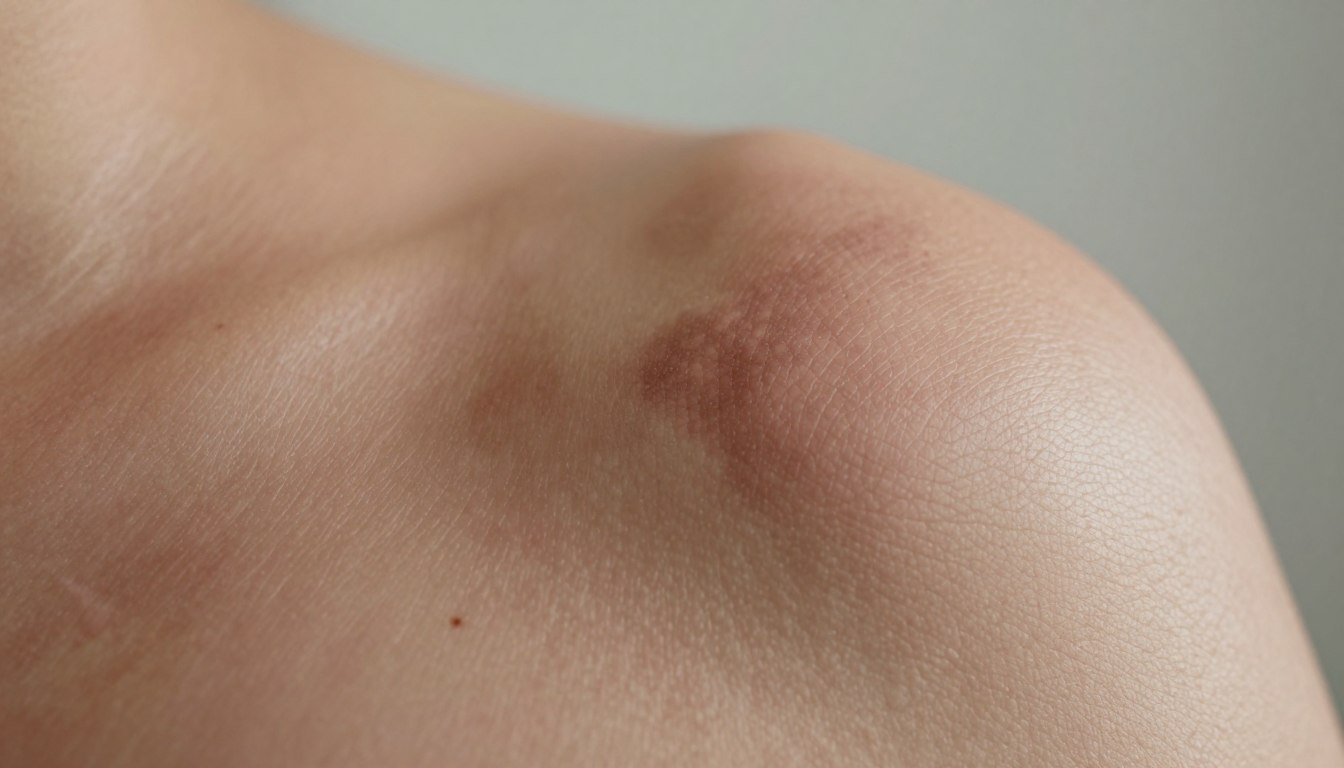
When skin in your body’s natural folds takes on a velvety, darker appearance, it’s a visual clue worth understanding. This change, known as acanthosis nigricans, is a clear sign your skin is reacting to something internally.Definition and Appearance
Think of it as a shadow that won’t wash off. The affected skin darkens and develops a soft, thickened texture, similar to suede or velvet. These patches blend softly into your normal skin, without sharp borders.Commonly Affected Areas
You’ll most often notice these changes where your skin naturally creases. The table below breaks down the typical locations.| Body Area | Commonality | Key Characteristics |
|---|---|---|
| Back of Neck | Very Common | Frequent site, especially in children; appears in the fold. |
| Armpits (Axilla) | Very Common | Dark, velvety patches in the skin folds. |
| Groin Area | Very Common | Patches in the crease where the thigh meets the torso. |
| Other Possible Sites | Less Common | Under breasts, inside elbows, knuckles, or around the lips. |
Etiology and Underlying Causes
Several key factors can trigger the development of these distinctive skin patches. This skin condition, known medically as acanthosis nigricans, often points to deeper metabolic shifts.Insulin Resistance and Obesity
The most common driver is insulin resistance. When your cells stop responding well to insulin, your body pumps out more of it.High insulin levels can overstimulate skin cells, causing them to thicken and darken. This same process is a core feature of type 2 diabetes.Obesity is closely tied to this mechanism. Excess weight, especially around the middle, makes insulin resistance more likely. Improving your metabolic health through weight management often lightens these patches.Medication-Induced and Genetic Factors
Certain medications can also be a cause. High-dose niacin, corticosteroids like prednisone, birth control pills, and some hormone therapies are known triggers.For some, the condition is genetic, presenting at birth or in childhood. Hormonal conditions like PCOS can play a role too. In rare cases, sudden skin changes may signal an internal issue, making a doctor’s evaluation essential.Identifying Acanthosis Nigricans Symptoms
A slow, velvety darkening in your skin folds is the primary sign, but it’s often accompanied by other subtle changes. Recognizing this full picture helps you describe what you’re seeing to your doctor with confidence.
Skin Color Changes and Texture
The hallmark is a patch of skin that becomes darker and feels thicker than the area around it. It usually develops over months, not days.This patch has a soft, velvety feel. You might notice mild itching. Sometimes, increased moisture in the fold can cause a slight odor.Over time, the texture can become more pronounced. A subtle darkening may turn into a raised, rough, or even leathery patch.Associated Skin Tags and Folds
You may also see small, soft skin tags clustered in the same area. These flesh-colored or brown growths often appear in the armpits, neck, or groin.In some cases, nails can thicken or show white spots. This is less common. Crucially, how these patches look doesn’t reveal if the cause is common or serious. Only a doctor’s evaluation can determine that.Pathophysiology of Acanthosis Nigricans
At a microscopic level, this skin change is a story of overstimulated cells and chemical messengers. The velvety patches form because specific growth signals tell your skin to thicken and darken excessively.We can think of it as a cellular miscommunication. Normally, these signals help your skin repair and renew itself at a steady pace.Role of Growth Factors and IGF-1
The main driver is often high insulin. When your body is resistant to it, levels rise. This excess insulin can bind to receptors on skin cells called keratinocytes.It acts like a “grow” signal. It also activates insulin-like growth factor-1 (IGF-1) receptors. This further accelerates cell multiplication.Other growth factor pathways contribute too. For example, fibroblast growth factor influences the skin’s support cells. Epidermal growth factor receptors can also be involved.| Key Growth Factor | Primary Role | Effect in This Condition |
|---|---|---|
| Insulin / IGF-1 | Regulates metabolism & cell growth | Overstimulates keratinocytes, causing rapid proliferation. |
| Fibroblast Growth Factor (FGF) | Guides fibroblast cell behavior | Promotes thickening of the skin’s deeper layers. |
| Epidermal Growth Factor (EGF) | Signals epidermal cell growth | Can be overactive, leading to excessive skin cell production. |
Link Between Insulin Resistance and Skin Health
Your skin can be a powerful messenger, revealing internal shifts long before other symptoms appear. Those velvety patches are a direct signal from your body’s metabolic system.Insulin resistance is like a communication breakdown. Your muscle and liver cells stop responding well to normal insulin.Your pancreas then pumps out much higher insulin levels to keep blood sugar in check.This flood of insulin doesn’t just affect sugar. It spills over and acts as a powerful growth signal for your skin cells.This overstimulation causes the rapid cell multiplication that leads to acanthosis nigricans.Seeing these patches is often your body’s early warning system. They can appear years before a type 2 diabetes diagnosis.This makes them a valuable, accessible clue for spotting a metabolic disturbance.The good news is this link works both ways. When you improve your insulin resistance, the skin changes often fade.Understanding this turns a cosmetic concern into actionable health information.Diagnostic Approaches and Workup
Your doctor uses a two-part process to confirm this condition and find its cause. The goal is to identify the skin change and, more importantly, uncover what’s driving it.Clinical Examination and History
In most cases, a diagnosis is made visually. The distinctive velvety, darkened patches in body folds are often enough.Your doctor will ask key questions. When did you first notice the change? Is it spreading or itchy? They’ll review your family history, current medications, and check your weight.This conversation provides crucial clues about the underlying condition.

Confirmatory Testing with Biopsy
A skin biopsy isn’t always needed. Your doctor might suggest one if the appearance is unusual.This small sample, examined under a microscope, shows telltale signs like thickened outer layers. The real workup focuses on testing for root causes.This typically includes blood tests for fasting sugar and hemoglobin A1C to screen for diabetes or insulin resistance. If changes are sudden, further tests may be advised to rule out other concerns.Remember, diagnosing acanthosis nigricans is just the start. The real win is uncovering the “why” so you can address it effectively.Differential Diagnosis: Conditions to Rule Out
Before confirming a diagnosis, doctors must carefully rule out other skin conditions that look similar. Several common diseases can mimic the appearance of velvety dark patches.This process ensures you receive the correct treatment for your specific condition. It turns a visual clue into a precise plan.Distinguishing from Tinea and Seborrhea
Fungal infections like tinea often create scaly, ring-shaped patches. Unlike the soft texture of acanthosis nigricans, these patches usually have a raised, distinct border.Seborrheic dermatitis appears as greasy, flaky scales. It might occur in the same folds, but the texture is completely different. Your doctor can often tell them apart by looking closely.Other possibilities include a bacterial infection called erythrasma. It glows coral-red under a special light. Conditions like Addison’s disease cause more widespread darkening.Each of these conditions requires a different approach. That’s why an accurate diagnosis is your first, most important step. It’s the sign that guides all future care for your skin.Understanding this helps you see why your doctor considers all options. It ensures the focus is on treating the true root of your skin change, not just its appearance.Treatment Options for Acanthosis Nigricans
Managing these velvety patches involves a dual approach: lifestyle changes for long-term health and topical solutions for cosmetic relief. The core principle is to treat the root cause, not just the skin. When you address the underlying issue, the skin often improves on its own.Lifestyle Modifications and Diet
For most people, the foundation is lifestyle change. Losing 5-10% of your body weight through a balanced diet and regular exercise can significantly lower insulin resistance. This often leads to visible skin improvement within months.If you have insulin resistance or type 2 diabetes, your doctor might prescribe medications like metformin. Studies show that taking metformin for six months or longer can fade these patches. Other insulin-sensitizing drugs like rosiglitazone are also options.| Treatment Type | Primary Goal | Key Examples |
|---|---|---|
| Lifestyle & Diet | Reduce insulin resistance | Weight loss, exercise, balanced nutrition |
| Systemic Medications | Improve insulin sensitivity | Metformin, rosiglitazone, pioglitazone |
| Topical Therapies | Lighten and thin skin | Retinoid creams, vitamin D analogs, alpha-hydroxy acids |
Topical and Systemic Therapies
For cosmetic improvement, dermatologists can prescribe topical treatments. These include retinoid creams like tretinoin or vitamin D analogs like calcipotriol. They help thin and lighten the affected skin.If a medication is causing your condition, working with your doctor to find an alternative can help. In rare cases linked to cancer, treating the tumor may resolve the skin changes. Cosmetic procedures like laser therapy are considered for stubborn cases after addressing the root cause.Managing Underlying Conditions
The most effective path to clearer skin often starts with a deeper look at your overall health. Successfully managing acanthosis nigricans means taking a comprehensive approach to your metabolic wellbeing.This is where partnerships with various specialists become essential to your care.Addressing Diabetes and Obesity
If you have prediabetes or type 2 diabetes, optimizing blood sugar control is key. Working with an endocrinologist helps you use medication, diet, and lifestyle changes effectively.For obese patients, weight management is the cornerstone. Even modest weight loss reduces insulin resistance dramatically.This can lead to visible lightening of skin patches over time.| Specialist | Primary Role | Key Focus |
|---|---|---|
| Endocrinologist | Manages hormonal & metabolic disorders | Optimizing insulin sensitivity, treating diabetes, PCOS, or thyroid disease |
| Registered Dietitian | Designs sustainable nutrition plans | Creating eating patterns that support weight loss and stable blood sugar |
| Dermatologist | Diagnoses and treats skin conditions | Confirming diagnosis, offering cosmetic treatments, ruling out other skin diseases |

When to Consult Specialists
Your primary doctor coordinates care, but ask for referrals when needed. An endocrinologist is crucial for complex insulin resistance or hormonal conditions like PCOS.A dermatologist visit is wise if the diagnosis is uncertain. They can perform tests and recommend topical therapies.Remember, managing the root disease isn’t just about your skin. It reduces your risk of serious complications like heart disease.Preventive Measures and Patient Education
Your daily choices are powerful tools that can shape your metabolic health and the appearance of your skin. This section focuses on proactive steps you can take to reduce your risk and stay informed.Knowledge transforms concern into confident action. We’ll explore how weight control and regular monitoring form your best defense.Importance of Weight Control
Managing your weight is a cornerstone of prevention. Excess body fat, especially around the abdomen, increases insulin resistance.Sustainable weight loss, even 5-10% of your body weight, can dramatically improve how your body uses insulin. This directly addresses a root cause of skin changes.Pair a balanced diet with regular activity. Focus on whole foods to keep blood sugar levels stable.| Preventive Action | Primary Benefit | Practical Tip |
|---|---|---|
| Weight Management | Lowers insulin resistance | Aim for gradual, sustained loss |
| Balanced Diet | Stabilizes blood sugar | Choose vegetables, lean proteins, whole grains |
| Regular Exercise | Improves insulin sensitivity | 150 minutes of moderate activity weekly |
| Skin Self-Checks | Early detection of changes | Monitor folds for new darkening monthly |
Regular Monitoring and Follow-Up
Stay vigilant about your skin, especially if you have a family history of obesity or diabetes. New dark patches or skin tags are a signal to see your doctor.Schedule annual check-ups that include blood sugar testing. Don’t dismiss skin changes as just cosmetic.Understanding that your skin can reflect internal health empowers you to take charge.This education reduces your long-term risk. It motivates the lifestyle changes that protect your health for years.
Review of Current Studies and Therapeutic Research
Scientific research is constantly shedding new light on the connections between our skin and systemic health. A recent review of the literature helps us understand what’s new and what’s promising.This ongoing work confirms that skin changes are powerful clues. They guide more comprehensive healthcare strategies.Recent Findings in Acanthosis Nigricans
One critical area of study focuses on the malignant type. Research shows these skin changes can be an early warning sign.In about one-third of cases, the patches appear before a cancer diagnosis. This is especially true for gastric adenocarcinoma and other abdominal cancers.Doctors now look for specific patterns. A rapid onset, severe itching, or additional signs like “tripe palms” can suggest an underlying malignancy.Emerging Treatment Approaches
Beyond diagnosis, new therapy options are being explored. A promising study found that melatonin supplementation can help.Taking 3 mg daily improved insulin sensitivity and reduced skin pigmentation in obese patients. Other research is targeting specific inflammatory pathways.Long-term reviews over many years are also valuable. They track how often this condition progresses and which interventions work best.This growing body of information reinforces a key message: these skin changes are a vital indicator of overall health.Recognizing this helps doctors and patients take a more proactive, preventive approach to care.
Tips for Self-Care and Daily Management
Empowering yourself with daily management tips turns concern into confident action. While medical treatment tackles the root cause, your daily self-care routine supports your skin’s health and comfort during the healing process.Establishing a Skin Care Routine
Start with gentle cleansing. Wash affected folds daily with a mild, fragrance-free cleanser. Pat the area thoroughly dry—don’t rub—to prevent moisture buildup and irritation.Follow with a non-comedogenic, fragrance-free moisturizer. This keeps thickened skin from becoming dry and cracked, improving comfort.Avoid harsh scrubs or exfoliants. The darkening isn’t dirt you can scrub away. Aggressive products can worsen inflammation.Reduce friction by choosing loose, breathable clothing. Natural fibers like cotton are ideal. This simple step minimizes irritation in skin folds.Your diet directly influences insulin levels. Prioritize whole foods, lean proteins, and vegetables. Think of food as medicine working from the inside out to improve this condition.Stay consistent with any prescribed creams or medications. Improvement takes months, so patience is key.Monitor your skin regularly. Take photos every few months to track changes. Share this with your doctor.Contact your doctor promptly for new symptoms like increased itching or rapid spreading. Don’t wait for your next appointment.Conclusion
Seeing those dark patches can feel unsettling, but it’s also an opportunity to take charge of your health. This skin change is a powerful sign from your body, often pointing to insulin resistance or another manageable condition.The good news is clear. For most people, addressing the root cause through lifestyle changes or medical treatment can lead to significant improvement. Your skin‘s appearance often restores over months as your metabolic health improves.In rare cases, these changes signal a need for prompt evaluation. Early detection of any underlying issue, including cancer, offers the best outcomes. Your prognosis is excellent when the trigger is properly managed.You now have the information to understand acanthosis nigricans. Work with your healthcare team, stay patient, and know every positive step moves you toward better health.FAQ
What does acanthosis nigricans look like?
It appears as dark, velvety patches of skin. You’ll often notice them in body folds like the back of your neck, armpits, and groin. The skin may also feel thicker or have a different texture than the surrounding area.
Is this skin condition a sign of cancer?
While rare, a sudden and severe form can be linked to certain cancers, like gastric adenocarcinoma. This is called malignant acanthosis nigricans. For most people, the patches are a sign of insulin resistance, not cancer. A doctor can help determine the cause.
Can losing weight help get rid of these dark skin patches?
Yes, often it can. Since the condition is frequently linked to insulin resistance, which is common with obesity, weight loss is a powerful first step. Improving your body’s insulin sensitivity through diet and exercise can cause the darkened skin to fade significantly or even clear.
What is the connection between this skin issue and diabetes?
The link is usually insulin. When your body becomes resistant to insulin—a key problem in type 2 diabetes and prediabetes—it can trigger excess growth factors in your skin. This causes the skin cells to multiply rapidly, leading to the dark, thickened patches you see.
Are the skin tags I have related to this condition?
They often are. It’s common for small, soft skin tags to appear in the same areas as the dark, velvety patches. Both can be triggered by similar growth factors related to insulin resistance. Treating the underlying cause may help reduce the development of new tags.
What treatment options are available from a dermatologist?
Dermatologists may prescribe topical creams like retinoids to help lighten and smooth the skin. Procedures like laser therapy can also improve appearance. However, the most effective long-term strategy is usually managing the root cause, such as insulin levels, often in partnership with your primary care doctor or endocrinologist.
Could my medications be causing this?
Yes, certain drugs can induce it. Some medications, including birth control pills, high-dose niacin, and certain corticosteroids, are known triggers. If you notice skin changes after starting a new medicine, talk to your doctor. They can review your prescriptions and explore alternatives.
Related Reading
- Symptoms of Type 2 Diabetes: What to Look For and When to Act
- What Causes Type 2 Diabetes? Risk Factors and the Biology Behind It
- Newly Diagnosed with Type 2 Diabetes: What to Do Next


Pingback: Type 2 Diabetes: ESSENCE Trial Findings