



Medical Disclaimer
IMPORTANT: The content provided in this article is for informational and educational purposes only and does not constitute medical advice, diagnosis, or treatment. The information regarding high blood sugar symptoms (hyperglycemia) and management strategies is not intended to replace professional medical consultation. Always seek the advice of your physician or other qualified health provider with any questions you may have regarding a medical condition. Never disregard professional medical advice or delay in seeking it because of something you have read on this website. If you believe you are experiencing a medical emergency, call your doctor or emergency services immediately.
High Blood Sugar Symptoms: A Complete Guide to Feeling Better
Discovering that you have elevated glucose levels can be unsettling, but recognizing the signs is the first and most critical step toward better health. High blood sugar, medically known as hyperglycemia, occurs when there is an excessive amount of glucose in your blood. This is a widespread issue; approximately 1 in 10 Americans has diabetes, and millions more experience elevated glucose levels without realizing it.
If you are concerned about your metabolic health, understanding the most common high blood sugar symptoms empowers you to take action. This guide breaks down what to look for, why these spikes happen, and how you can reclaim your energy and well-being.


What Is High Blood Sugar?
To understand high blood sugar symptoms, it helps to understand how your body processes energy. Your body relies on glucose (sugar) for fuel, which comes from carbohydrates like bread, rice, fruit, and pasta.
Insulin, a hormone produced by the pancreas, acts as a “key” that unlocks your cells, allowing glucose to enter and be used for energy. When you have hyperglycemia, this process breaks down for one of three main reasons:
- Insulin Deficiency: Your body does not produce enough insulin (common in Type 1 diabetes).
- Insulin Resistance: Your cells do not respond effectively to insulin (the primary cause of Type 2 diabetes).
- Physiological Stress: Illness or extreme stress triggers hormones that block insulin’s effectiveness.
When glucose remains trapped in the bloodstream instead of fueling your cells, your body begins to malfunction, leading to the warning signs known as high blood sugar symptoms.
Common High Blood Sugar Symptoms to Watch For
Symptoms often develop slowly, meaning some individuals may live with elevated levels for years without knowing it. However, there are “classic” indicators that your body is struggling to manage its glucose load.
The Early Warning Signs
The earliest high blood sugar symptoms typically affect your hydration and bathroom habits.
Headaches: Rapid changes in glucose levels can trigger persistent headaches.
Extreme Thirst (Polydipsia): You may feel an unquenchable thirst. This occurs because your body is desperately trying to dilute the excess sugar in your blood and flush it out.
Frequent Urination (Polyuria): If you are drinking more, you will naturally visit the bathroom more often. Waking up multiple times during the night to urinate is a common red flag.
Blurred Vision: High glucose levels can pull fluid from your tissues, including the lenses of your eyes. This changes their shape, making it difficult to focus. This vision change is usually temporary and resolves as blood sugar levels stabilize.

Symptoms That Develop Over Time
If high blood sugar symptoms are ignored, the condition can affect your energy levels and immune system.
Recurrent Infections: Bacteria and yeast thrive in high-sugar environments, leading to frequent urinary tract infections (UTIs) or yeast infections.
Severe Fatigue: Since glucose is stuck in your bloodstream rather than fueling your cells, your body is effectively “starving” for energy. This leads to exhaustion, even after a full night’s sleep.
Unexplained Weight Loss: When your body cannot access glucose for fuel, it begins burning muscle and fat instead. This can result in weight loss despite normal or increased eating habits.
Slow-Healing Wounds: Elevated sugar levels impair blood circulation and nerve function, making it harder for the body to repair cuts or sores.

•What Does Hyperglycemia Feel Like?
Many people describe the sensation of high blood sugar as a “brain fog” or a “food coma.” You might feel lethargic and heavy after meals as your body struggles to process the glucose spike.
mood changes are also common; you may feel irritable, anxious, or “spaced out.” Physical signs like dry mouth and dry skin are further indications that your body is dehydrated due to high blood sugar symptoms.
Triggers: Why Is My Blood Sugar High?
Several factors can cause your glucose to spike, triggering high blood sugar symptoms:
- Dietary Choices: Consuming excessive carbohydrates without adequate insulin.
- Sedentary Lifestyle: Lack of physical activity reduces the amount of glucose your muscles use.
- Stress: Emotional stress releases cortisol, which naturally raises blood sugar.
- Illness: The flu, colds, or infections put the body in a stress state, elevating glucose.
- Medications: Steroids and certain blood pressure medications can interfere with insulin sensitivity.
Understanding the Numbers
To effectively manage high blood sugar symptoms, you must know your target ranges. While goals vary by individual, general guidelines include:
- Fasting (Before Meals): 80 to 130 mg/dL.
- Post-Prandial (2 Hours After Meal): Less than 180 mg/dL.
- HbA1c: Less than 7% (reflecting a 3-month average).
Critical Levels:
- Above 250 mg/dL: Symptoms become noticeable; ketone testing may be necessary for Type 1 diabetics.
- Above 600 mg/dL: This is a medical emergency that can lead to Hyperosmolar Hyperglycemic Syndrome (HHS) or Diabetic Ketoacidosis (DKA).
Emergency Warning Signs
If left untreated, high blood sugar symptoms can escalate into life-threatening conditions. Seek immediate medical attention if you experience:
- Nausea, vomiting, or inability to keep fluids down.
- Shortness of breath or deep, rapid breathing.
- Fruity-smelling breath (a sign of ketones).
- Confusion or loss of consciousness.
How to Manage High Blood Sugar Symptoms
If you notice your levels are high, there are immediate steps you can take to help lower them safely:
- Hydrate: Drink water to help your kidneys flush out excess sugar.
- Move: Light exercise, like walking, helps muscles utilize glucose (Note: Avoid exercise if ketones are present).
- Monitor: Check your blood sugar frequently to track trends.
- Adhere to Medication: Take insulin or oral medications exactly as prescribed by your doctor.
Conclusion
Recognizing high blood sugar symptoms is the most powerful tool you have for protecting your long-term health. Think of your body like a house and glucose as the electricity; when the voltage is too high, it can damage the wiring. By monitoring your levels, staying hydrated, and working closely with your healthcare team, you can manage these surges and maintain a healthy, vibrant life.

Understanding the Numbers: When is it Too High?
To manage high blood sugar symptoms, you need to know what a “normal” number looks like. Doctors use a few different tests to check this.
Common Blood Sugar Targets
• Before a meal (Fasting): A typical target for an adult is 80 to 130 mg/dL.
• Two hours after a meal: A typical target is less than 180 mg/dL.
• A1C Test: This is a lab test that shows your average sugar levels over the last 3 months. Most adults aim for an A1C of less than 7%.
Emergency Levels
• Over 250 mg/dL: Symptoms like thirst and fatigue become much more noticeable.
• 300 to 400 mg/dL: This is very high and requires a call to your doctor to adjust your plan.
• Over 600 mg/dL: This is a life-threatening emergency. It can lead to a condition called HHS, which causes severe dehydration and can lead to a coma.
Serious Complications and Warning Signs
If you ignore high blood sugar symptoms for too long, it can lead to dangerous emergencies or long-term damage to your body.
Diabetic Ketoacidosis (DKA)
DKA happens when your body has almost no insulin. Since it cannot use sugar, it breaks down fat so fast that it creates toxic acids called ketones. This is most common in Type 1 diabetes but can happen in Type 2 as well. Watch for these severe signs:
• Fruity-smelling breath (like nail polish remover).
• Nausea and vomiting.
• Stomach pain.
• Shortness of breath or deep, fast breathing.
• Feeling very confused or sleepy.
Long-Term Damage (Chronic Hyperglycemia)
If your sugar stays high for months or years, it can damage the small blood vessels throughout your body. This can lead to:
• Eye Disease (Retinopathy): Damage to the eyes that can lead to blindness.

• Kidney Damage (Nephropathy): The kidneys can lose their ability to filter waste from your blood.
• Nerve Damage (Neuropathy): This often starts as tingling or numbness in your feet and hands.
• Heart Disease and Stroke: High sugar levels can damage your heart and brain over time.
How to Lower High Blood Sugar Quickly
If you notice high blood sugar symptoms and find that your numbers are high, there are steps you can take to help bring them down safely.
Steps You Can Take Right Away
• Drink Water: Drinking 8 to 10 glasses of water a day helps your kidneys flush out the extra sugar.
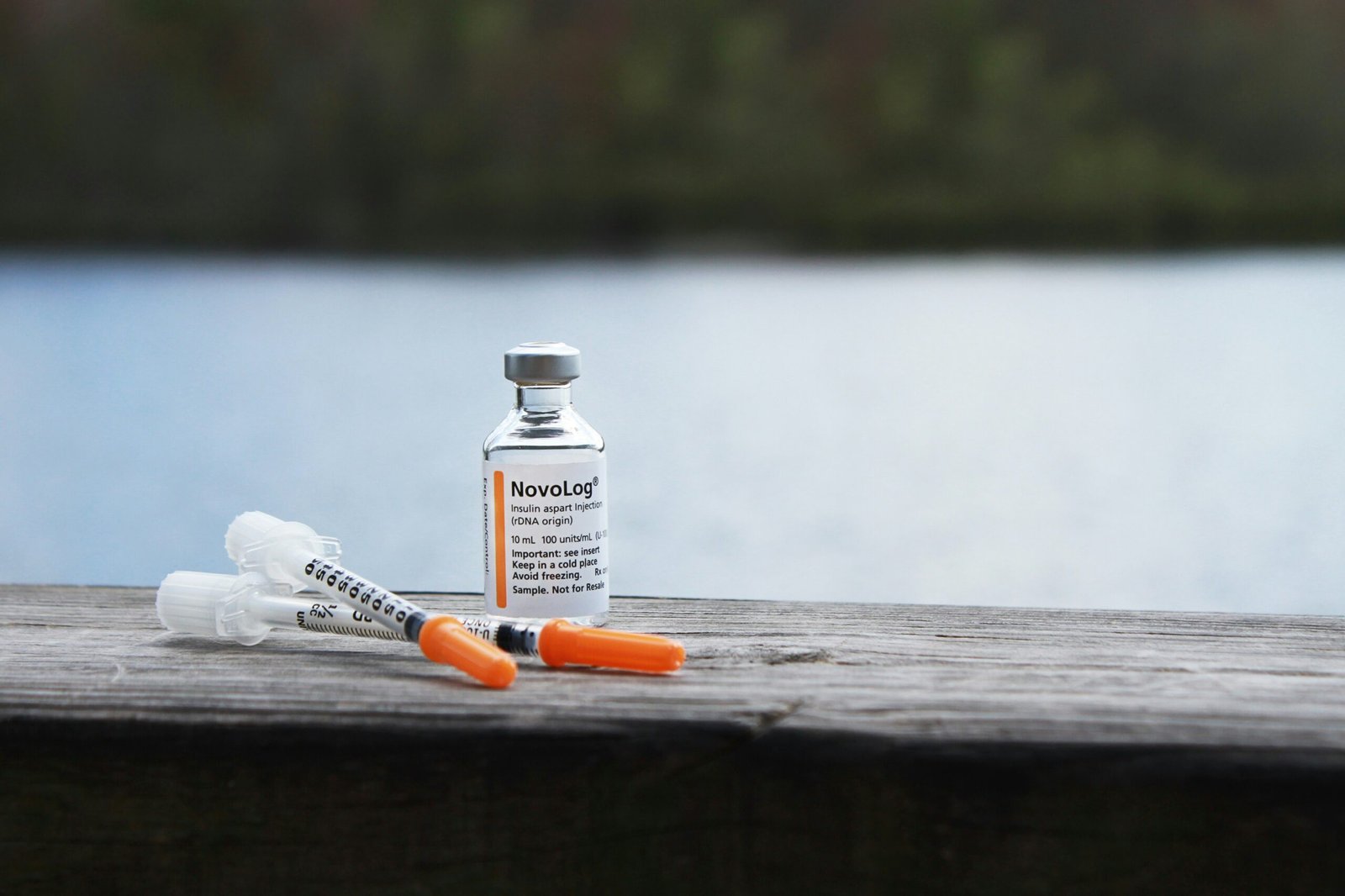
• Follow Your Medication Plan: If your doctor gave you instructions for taking extra insulin when your numbers are high, follow that plan exactly. Never take extra medication without a plan from your doctor.
• Go for a Walk: Physical activity helps your muscles use up the sugar in your blood. However, if your sugar is over 240 mg/dL and you have ketones in your urine, do not exercise. It could make your sugar go even higher.
• Relax: Since stress raises sugar, find a quiet place to breathe deeply or listen to calming music.
Tools for Monitoring Your Sugar at Home
The best way to know if you are having high blood sugar symptoms is to test your levels. There are two main ways to do this.
Blood Glucose Meters (Glucometers)
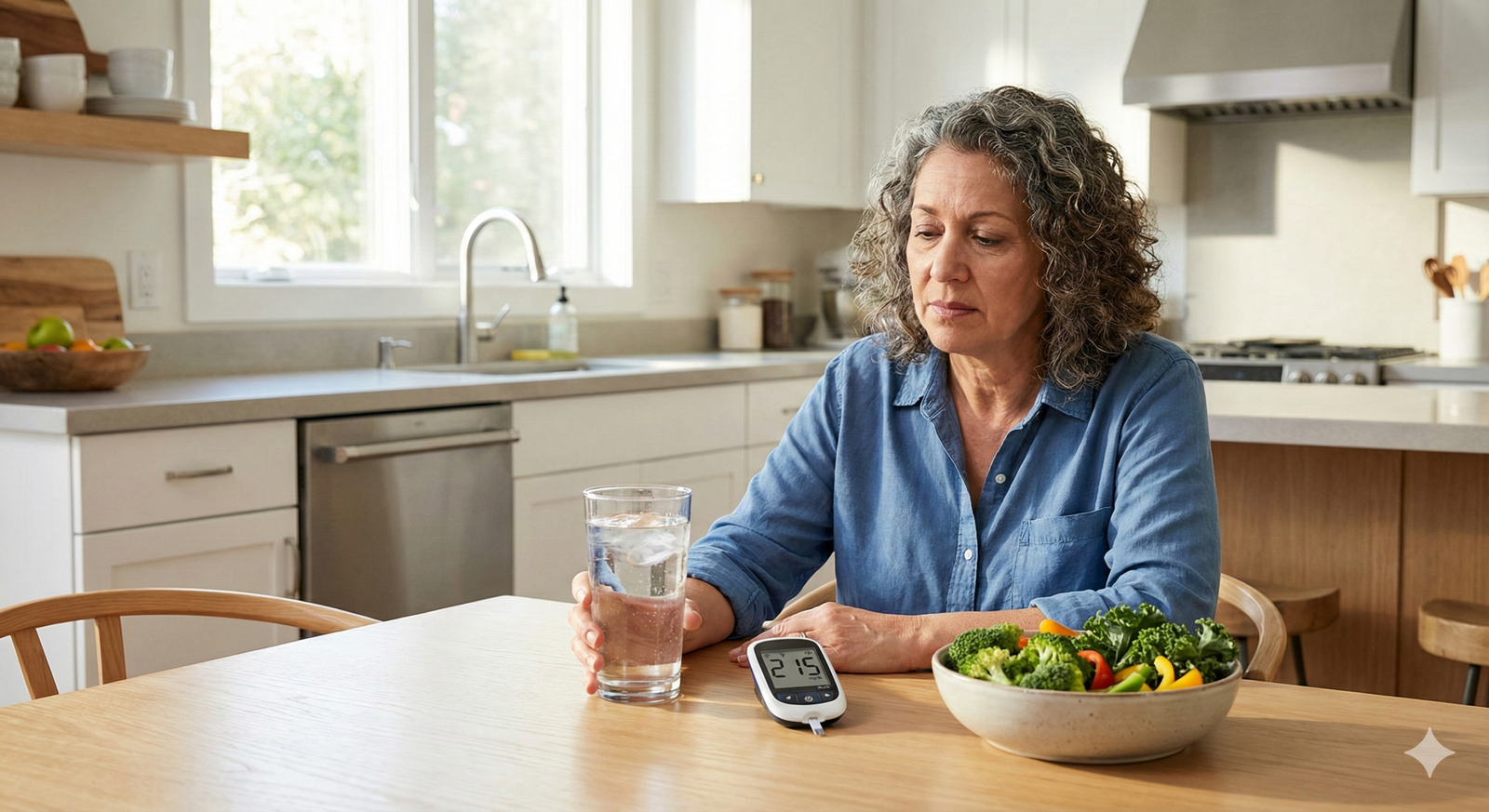
This is the traditional “finger-stick” method. You prick your finger with a small needle (lancet), put a drop of blood on a test strip, and the meter tells you your number in seconds. It is a reliable way to check your sugar before meals or when you feel “off.”
Continuous Glucose Monitors (CGM)
A CGM is a tiny sensor that stays under your skin for a week or two. It checks your sugar every few minutes, all day and night. It can even send an alarm to your phone if your sugar gets too high or too low. This is very helpful for seeing patterns, like the dawn phenomenon, where sugar spikes early in the morning.
Living a Balanced Life with High Blood Sugar
While it takes some work, you can manage high blood sugar symptoms and live a long, healthy life.
Healthy Habits for Success
• Meal Planning: Focus on eating a variety of fruits, vegetables, and whole grains. Try to eat about the same amount of carbohydrates at the same time each day.
• Stay Active: Aim for 30 minutes of activity, like a brisk walk, most days of the week.
• Routine Checkups: See your doctor regularly. They will check your A1C, your feet for sores, and your blood pressure to make sure you stay on track.
• Education: Join a diabetes class or work with a dietitian. The more you know, the easier it is to stay healthy.
When to Seek Emergency Care
Sometimes high blood sugar symptoms become an emergency that cannot be handled at home. Go to the Emergency Room or call 911 if:
• You are vomiting and cannot keep fluids down for more than a few hours.
• You feel very confused, dizzy, or lose consciousness.
• Your breath smells fruity and you feel short of breath.
• Your blood sugar is over 400 mg/dL and is not coming down.
• You have weakness or paralysis on one side of your body.
——————————————————————————–


Summary Analogy: Think of your body like a house and blood sugar like the electricity that runs your lights and appliances. When the electricity is at the right level, everything works perfectly. But if there is a “power surge” (high blood sugar), it can blow out the lightbulbs and damage the wiring. Insulin is like the surge protector that keeps the power at the right level. If the surge protector breaks or if there is too much power coming in from the outside, the house starts to show signs of trouble—dimming lights or strange smells. These are your high blood sugar symptoms. By checking your “meter” and making sure your “surge protector” is working, you can keep your house safe and bright for many years to come.


Pingback: Symptoms of Type 2 Diabetes in Women: What to Look For